How to Build a Mauritius Seasonal Produce Calendar
10 juillet 2026 · Par Naturespan
Why seasonality matters in Mauritius
In Mauritius, eating with the seasons is one of the simplest ways to improve the quality of your meals without making life more complicated. Seasonal produce is usually fresher, tastes better, and often costs less because it is more available. For locally grown fruits and vegetables, seasonality also matters for sustainability, since crops grown in the right conditions generally need fewer inputs than produce that must be forced out of season.
For anyone trying to eat more organically, seasonality is especially useful. Organic farming works best when plants are supported by healthy soils, good timing, and crops suited to local conditions. When you choose seasonal produce, you are more likely to find food that has been harvested at the right point, transported less, and stored for a shorter time.
The good news is that you do not need a perfect chart or a complicated app. A practical seasonal calendar can be simple, flexible, and easy to use every week.
What seasonal produce means in practice
Seasonal produce is food that is naturally abundant at a certain time of year in a specific place. In Mauritius, climate, rainfall, and temperature all shape what grows well. Some crops appear more often during warmer, wetter months, while others are better in cooler, drier periods.
A seasonal calendar is not about strict rules. It is a guide to help you plan meals around what is likely to be freshest and most available. Markets, farm stands, and organic sellers may still offer some items year-round, but the best value and flavour often come from produce that is currently at its peak.
A useful mindset is this, if a fruit or vegetable is plentiful, beautiful, and affordable, it is probably in season or close to it.
A simple seasonal guide for Mauritius
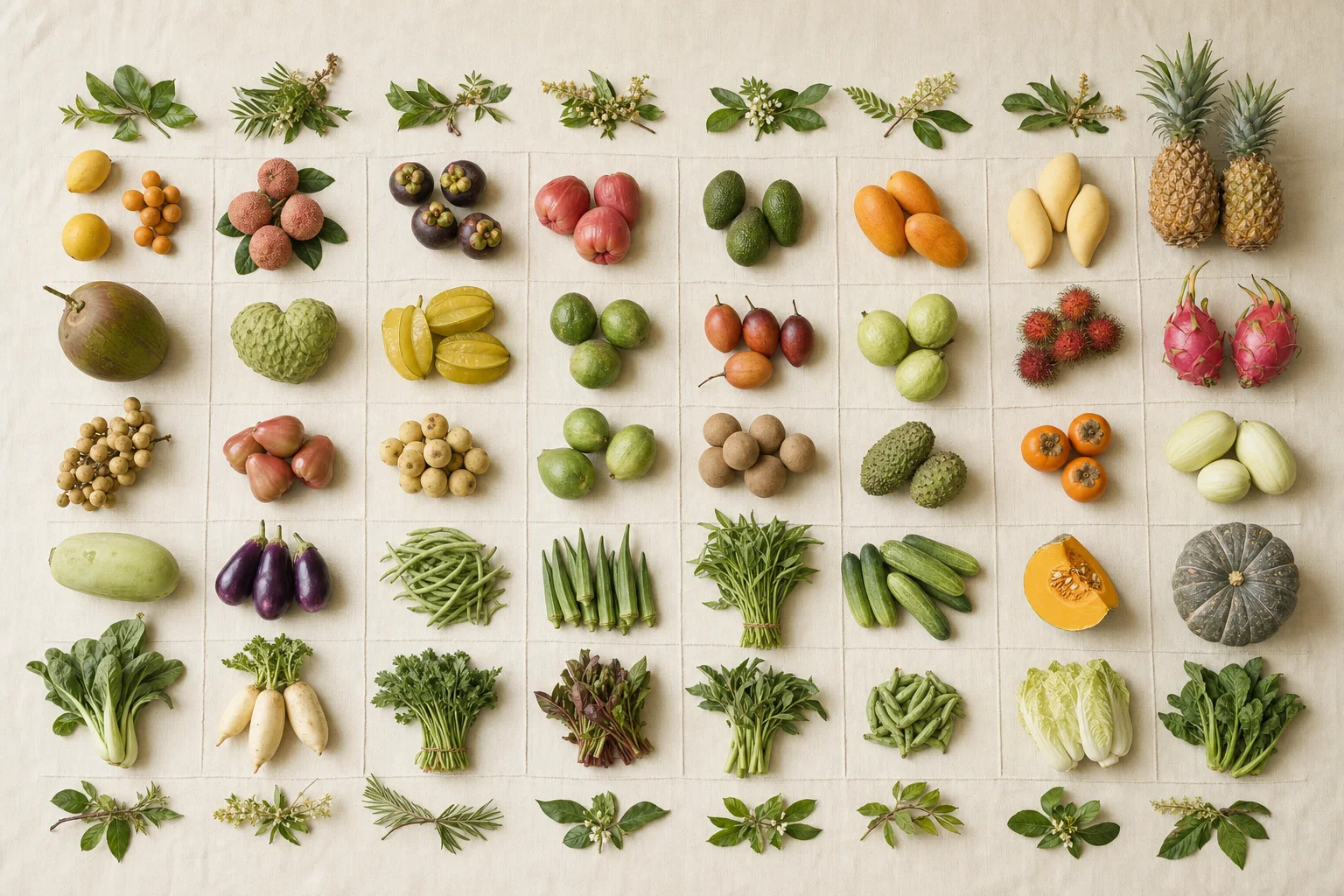
Mauritius has a tropical climate, so the calendar is less about four neat seasons and more about periods of abundance.
Warm and rainy months, roughly November to April
This is often a generous time for tropical fruits and fast-growing vegetables. You may find more:
- Mangoes
- Pineapples
- Papayas
- Bananas
- Lychees, toward the end of the year and into early summer
- Tomatoes
- Cucumber
- Lettuce and leafy greens, depending on growing conditions
- Aubergines
- Pumpkin and squashes
This is also a good time to look for herbs such as coriander and curry leaves, which add a lot of flavour to simple dishes.
Cooler and drier months, roughly May to October
During the cooler period, some crops tend to do better and last longer after harvest. You may see more:
- Cabbage
- Carrots
- Beetroot
- Cauliflower
- Broccoli
- Green beans
- Spinach and other hardy greens
- Potatoes and sweet potatoes
- Citrus fruits, depending on the area
These months are excellent for soups, stir-fries, roasted vegetables, and salads built around crunchier produce.
Year-round staples to keep in mind
Some foods are commonly available for much of the year, especially from diversified farms and local markets. These include:
- Banana
- Papaya
- Coconut
- Sweet potato
- Onion
- Garlic
- Pumpkin
- Herbs
Even when a produce item is available year-round, it is still worth asking where it came from and when it was harvested.
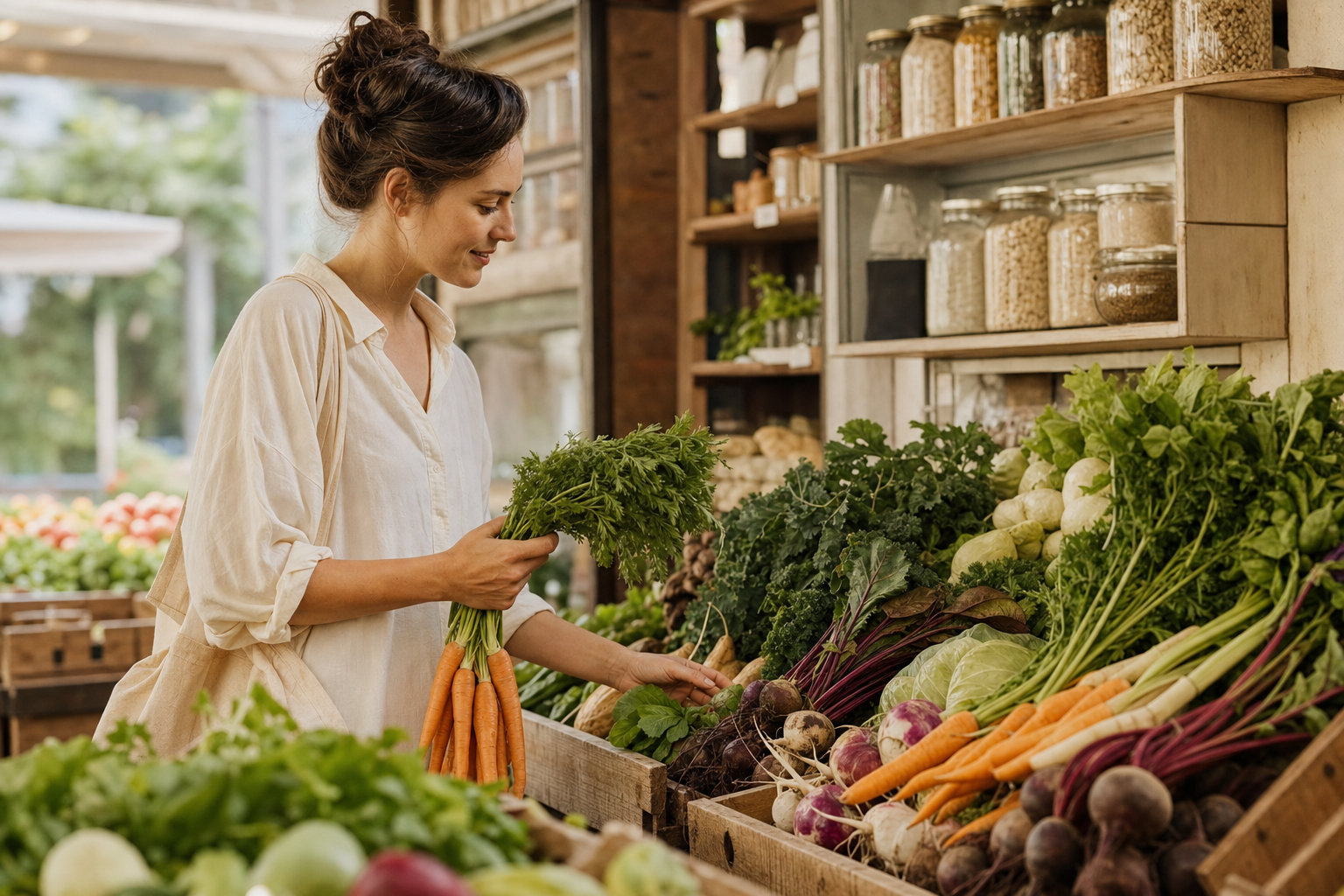
How to use a seasonal calendar when shopping
A seasonal calendar is most helpful when it changes your shopping habits in small, realistic ways.
Start by choosing one market day each week to buy what looks best, not what you planned months ago. Bring a short list, but leave room for flexibility. If tomatoes are exceptional this week and cucumbers are scarce, adjust your meals instead of forcing the same recipe every time.
A few practical questions can help:
- What is abundant right now?
- What looks fresh and firm?
- What local produce is at a good price?
- What will I cook in the next two to three days?
This approach reduces waste, because you are more likely to buy food you can use quickly. It also helps you notice patterns over time. After a few weeks, you will begin to remember which fruits and vegetables are best at different times of year.
How seasonality supports organic eating
If you are trying to eat more organic food in Mauritius, seasonality can make the transition easier and more affordable.
First, seasonal produce often costs less because supply is higher. That matters when organic items carry a premium. Second, locally grown seasonal crops may travel shorter distances, which can improve freshness and reduce the need for long storage. Third, plants grown in the right season are often healthier and more resilient, which aligns well with organic principles that focus on soil health and ecological balance.
There is also a sensory benefit. Seasonal fruit and vegetables tend to taste more like themselves. A ripe mango in season does not need much more than a knife. Fresh greens in cooler months can turn a simple meal into something satisfying without heavy sauces or extra packaging.
Smart storage for seasonal produce
Buying seasonal food is only useful if you store it well. In Mauritius, heat and humidity can shorten the life of fresh produce, so a few habits go a long way.
Keep delicate greens dry and cool, and use them early in the week. Store tomatoes at room temperature if they are not overripe, because refrigeration can reduce flavour. Keep bananas away from other fruit if you want to slow ripening. Refrigerate cut fruit promptly, and use airtight containers for peeled or chopped items.
For root vegetables like carrots, beetroot, and potatoes, choose a cool, dark place with good airflow. Do not wash everything as soon as you get home, because excess moisture can speed up spoilage. Instead, clean produce just before cooking when possible.
A simple rule helps, the more delicate the produce, the sooner you should eat it.
Build your own seasonal calendar in 15 minutes
You do not need to wait for a perfect official chart. Make one that fits your household.
Take a notebook or notes app and divide it into months. Each time you shop, write down what looked especially fresh, what was expensive, and what you cooked. After a month or two, patterns will emerge.
You can also group produce into three lists:
- Best buys, the items that are fresh and affordable now
- Good backups, items available but not at their peak
- Avoid for now, items that are poor in quality or too costly
This makes planning easier for families, busy professionals, and anyone trying to lower food waste.
A practical way to start this week
Choose three seasonal items on your next shopping trip, one fruit, one vegetable, and one herb or staple. Build your meals around them for the next few days. For example, pair papaya with breakfast, cook cabbage or greens for dinner, and use coriander or curry leaves to finish a simple dish.
Small changes are easier to sustain than a complete overhaul. Over time, seasonal shopping can help you eat better, spend more wisely, and feel more connected to Mauritian food culture.
Conclusion
A seasonal produce calendar is one of the most practical tools for healthier eating in Mauritius. It helps you choose fresher food, reduce waste, support local growers, and make organic shopping more realistic on a week-to-week budget. Start with a few items, pay attention to what is abundant, and let your meals follow the rhythm of the island. That is a simple habit with lasting benefits.
Bien manger est une des clés d’une vie plus longue et en meilleure santé. Découvrez l’écosystème santé Healthspan.