Radical honesty
We do not pretend to be perfect.
Here is what we own openly, what we are working to improve, and what we guarantee. No asterisks, no greenwash, no word games.
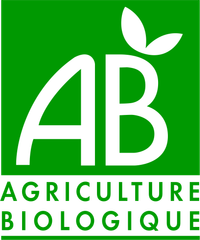

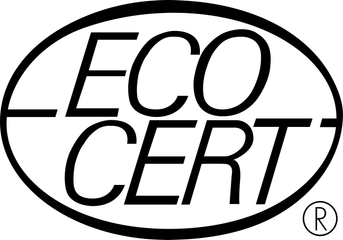
 Real marks on real products, verifiable down to the certificate.
The facts first
What we own openly
Nearly everything we sell is imported from certified European organic networks, and nearly all of it arrives by ship. We built the business this way for one reason: genuine certification. We have not yet found a producer in Mauritius certified organic to European standards, and the certification routes available locally are not the ones our European suppliers are audited against. If we want to put a verifiable mark on the shelf, the supply chain starts in Europe.
That choice has costs, and we would rather you heard them from us. Sea freight takes around 28 days, which is why our range leans toward the dry goods, pantry staples, supplements, oils and household products that travel perfectly. The small fraction of perishables that cannot survive the crossing flies, and that is the trade-off we think about most. Trust is built through transparency, not marketing, so here is how we make the choice.
The trade-off
Sea versus air, honestly
Two ways to move food to an island, and why the slow one is our default for almost everything we import.
Sea freight, our default
- About 28 days in transit from Europe
- Ideal for dry goods, which are most of our catalogue
- Consolidated into monthly full containers to avoid waste
- The least impactful way to import food to Mauritius
Air freight, the exception
- 24 to 48 hours in transit
- Reserved for the few perishables with no sea alternative
- A significant impact we limit deliberately
Does importing cancel the point of organic? The research says no. Weber and Matthews (2008) found transport accounts for around 11 percent of food-related greenhouse gas emissions while production accounts for around 83 percent, and Clark and Tilman (2017, Nature) confirmed that what food is and how it is grown matter far more than how far it moves. A certified organic product shipped by sea often carries a lower total environmental burden than a local product grown with synthetic inputs.
Work in progress
Our local ambitions
Importing everything forever is not the plan. Three workstreams, reported as they are, not as we wish they were.
First, reasoned agriculture. A number of Mauritian growers farm with sharply reduced pesticide and fertiliser use, without holding European certification. Where we work with them for fresh produce, the shelf label says local reasoned agriculture, distinctly and honestly. It never says bio, because no accredited certifier has assessed the farm.
Second, certified regional sourcing. South Africa has independent organic certification schemes, including SAOSO and Afrisco, and we are exploring certified citrus and temperate fruit from there: closer than Europe, certified unlike uncontrolled local claims.
Third, and most ambitious, container farming. We are researching vertical growing units that could produce salad greens, herbs and microgreens on the island itself, in a controlled environment with no chemical inputs and up to 90 percent less water than field agriculture. Every leaf grown here replaces the most carbon expensive kilograms we currently fly in. The detail lives on the sustainability page.
We would rather sell you a certified product from far away than an uncertified one from next door presented as though it were the same thing, and we will keep working until we can offer both.
In writing
What we promise, and what we refuse to
We guarantee
- The certification mark is shown on every certified product, and the certificate behind it is available on request.
- Products that are not certified are labelled as exactly what they are. Local reasoned agriculture is never presented as bio.
- Every batch is traceable back to its certified producer.
- We answer sourcing questions plainly, in store or at [email protected], including the ones we would rather not be asked.
We refuse to promise
- We do not promise carbon neutrality. Importing food across an ocean has a footprint, and we would rather name it than offset it away in a footnote.
- We do not promise organic is cheap. It costs more to grow, certify and ship, and pretending otherwise would insult you.
- We do not promise everything can be sourced locally today. EU-standard certified organic supply does not yet exist at scale in Mauritius.
- We do not promise health outcomes. Organic food changes what you are exposed to, not what medicine can do.
Questions
Sourcing questions, answered
- Why does Naturespan import instead of buying local?
- Because we have not yet found fruit, vegetable or grocery producers in Mauritius certified organic to European standards, and the certification routes available locally are not the ones our European suppliers are audited against. What a local grower can give us is their own written account of how a crop was grown and what went on it. We read it, we record it, and we label the product uncertified, because no accredited certifier has checked it. For everything that must be genuinely certified, Europe is where the certified supply exists.
- How does the food actually travel?
- Almost all of it comes by container ship, a journey of about 28 days that suits dry goods perfectly. A small share of perishables travels by air, which we limit deliberately to the items that cannot survive the crossing.
- Is imported organic still better than local conventional?
- On the evidence, usually yes. Weber and Matthews (2008) found transport is about 11 percent of food-related emissions while production is about 83 percent, and Clark and Tilman (2017) showed food type matters far more than food miles. A sea-freighted organic product often carries a lower total environmental burden than a locally grown product raised on synthetic inputs.
- What are you doing to reduce the footprint?
- Sea freight first and always, monthly consolidated containers instead of partial shipments, air freight restricted to perishables without an alternative, and three local workstreams: reasoned agriculture partnerships, exploration of certified South African sourcing for citrus, and a container farming project to grow greens on the island itself. Progress is tracked on our sustainability page.
Keep exploring
Questions we have not answered here?
Ask them. Write to [email protected], or put them to our team in person from October 1, 2026 in Grand Baie and Tamarin. Honest answers are the whole point.