NaturespanNaturespan

The Naturespan Standard

The marks that mean something.

Organic claims in Mauritius are policed unevenly; that is why we verify our suppliers’ certificates ourselves. Every certification mark on our shelves, explained in plain language, and how to verify any of them yourself.

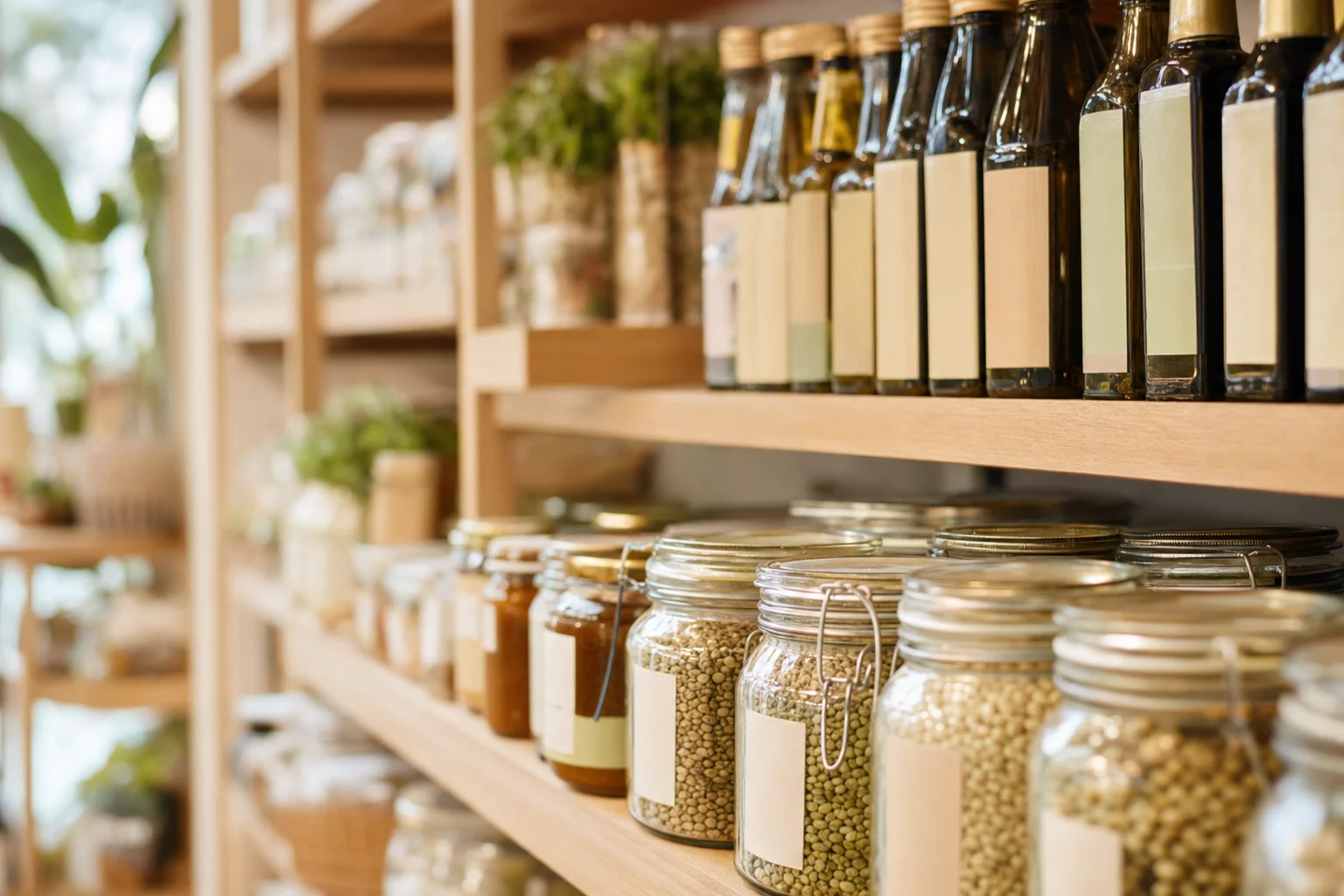
Certified organic products lined up on a shelf, labels facing forward
Agriculture Biologique (France) certification markEU Organic (Euro-leaf) certification markEcocert certification markDemeter (biodynamie) certification markReal marks on real products, verifiable down to the certificate.

A certification mark is a promise with paperwork behind it. Somewhere behind every genuine logo is a farm that was inspected, a processor that was audited, a certificate with a date and a signature, and a certifier that stakes its accreditation on the claim. That paper trail is the entire difference between organic and a green label.

Naturespan stocks products from 170 European brands, and many of them carry one or more of the marks below. Certified organic is our standard: we require certification from every supplier before a product reaches our shelves. Every mark we show is published under the class it belongs to: an organic label, a certification body, a private certification, a cosmetic standard, or a quality specification that is not an organic certification. Here is what each mark means, what it does not mean, and how to check it, whether you are standing in our store or anyone else’s.

The marks, by class

Know them on sight

Five classes of mark, because they are not the same kind of thing. Each class is defined once, and every mark is published under the one it belongs to.

Organic label

A public organic mark whose rules are set in regulation and checked by an accredited certifier before it may appear on a pack.

Agriculture Biologique (France) certification mark

Organic label

AB Agriculture Biologique

The historic French organic mark, owned by the French Ministry of Agriculture. It certifies compliance with the EU organic regulation: at least 95 percent organic ingredients in processed food, no synthetic pesticides, no GMOs, annual independent audits of the whole chain.

How to spot it

A white AB monogram on a green square, usually printed beside the EU leaf on French products.

The honest footnote

AB and the EU leaf guarantee the same underlying standard. Seeing both is normal on French products, not a double guarantee.
EU Organic (Euro-leaf) certification mark

Organic label

Eurofeuille, EU Organic

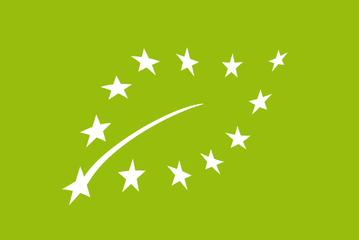
The EU leaf, a leaf drawn in stars on a green field, is mandatory on all prepacked organic food produced in the EU. It certifies EU Regulation 2018/848: how the food is grown, processed, transported and labelled, verified by an accredited certifier every year.

How to spot it

The green leaf logo, always accompanied by a certifier code such as FR-BIO-01 and an origin statement like EU Agriculture.

The honest footnote

The certifier code next to the leaf is the important part: it names the independent body that audited the product.

Certification body

The independent organisation that audits an operator and issues the certificate behind a label. It tells you who checked, not what was promised, and it is not itself a label.

Ecocert certification mark

Certification body

Ecocert

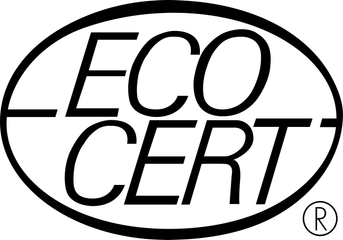
Ecocert is not a label but a certifier: an independent French inspection body, founded in 1991, that audits farms, processors and distributors against the organic standard and issues the certificates behind the marks. Its code FR-BIO-01 appears on huge numbers of French organic products.

How to spot it

The word Ecocert or the code FR-BIO-01 printed near the EU leaf, or on the certificate a shop shows you when you ask.

The honest footnote

A certifier reference tells you who checked the product. If a product claims Ecocert but shows no code and no certificate, be suspicious.

Private certification

A privately owned standard that requires organic certification as its baseline and adds further requirements of its own, audited through its own scheme rather than by regulation.

Demeter (biodynamie) certification mark

Private certification

Demeter

Demeter certifies biodynamic agriculture, a private standard that requires full EU organic certification as its baseline and then goes further on soil life, composting and farm self-sufficiency. We stock Demeter-certified products, for example from Biofloral.

How to spot it

The orange Demeter wordmark on the pack, alongside the EU leaf.

The honest footnote

Demeter includes philosophical practices that go beyond what science measures. What we can verify, and do, is that Demeter products also hold full organic certification.

Cosmetic standard

A standard written for cosmetics rather than food, certifying the origin of the ingredients and the process used. The organic food regulation does not apply to it.

No mark of ours is published in this class yet. We name a mark here once we hold the certificate behind it, and not before.

Quality specification, not an organic certification

A specification about identity, purity or precision rather than about farming. It tells you what is in the bottle, not how the plant was grown, and it is never proof of organic.

Quality specification, not an organic certification

HECT

HECT stands for chemotyped essential oil: a quality specification pioneered by Pranarom that identifies each essential oil botanically and biochemically, so you know the exact species and active molecule profile in the bottle.

How to spot it

The HECT mention on Pranarom essential oils, often together with a separate organic certification when the oil is also certified.

The honest footnote

We say this plainly: HECT is a precision and identity standard, not an organic certification. Many HECT oils are also certified organic; when one is not, our shelf label will not pretend otherwise.

The words on the shelf

Certified, natural, or local uncertified?

Three phrases you will meet everywhere in Mauritius, and what each one can actually prove. Around a third of consumers here confuse bio with natural; this is the difference.

Certified organic

A legal standard with an audit trail

Defined by
EU Regulation 2018/848, enforced by law
Checked by
Accredited certifiers, audited annually
Synthetic pesticides
Banned, 700+ substances excluded
GMOs
Strictly prohibited
Proof you can ask for
A named certificate, renewed yearly

Natural

A marketing word, nothing more

Defined by
No certification standard. Each brand decides what it means
Checked by
No accredited certifier
Synthetic pesticides
No restriction implied
GMOs
No restriction implied
Proof you can ask for
No certificate stands behind the word itself

Local uncertified

Not independently certified to a named standard

Defined by
The grower’s own practices, which vary widely
Checked by
The grower, with no accredited certifier involved
Synthetic pesticides
Depends entirely on the farm
GMOs
Unverified
Proof you can ask for
A written account of the practices and inputs used, which we record but cannot audit

To be clear: local uncertified is not an insult. Some Mauritian growers farm with real care, and we work toward local partnerships openly, as our transparency page explains. The point is narrower. What a local grower can give us is their own written account of how a crop was grown and what went on it. We read it, we record it, and we label the product uncertified, because no accredited certifier has checked it. We label such products for what they are, and never as bio.

A Naturespan shelf with certification marks visible on product labels

Our promise

The Naturespan Standard

  • Every certified product we sell shows its mark on the shelf.
  • If a product is not certified, the shelf says so in plain words. We never borrow the glow of the products next to it.
  • Certificates for every certified reference are available on request, in store or by email.
  • Certified organic and local reasoned agriculture are labelled distinctly, so the two can never be confused.
  • When a standard is about quality rather than organic farming, like HECT, we tell you exactly that.
We would rather be audited than trusted. So we behave as if an inspector shopped here every week.

Do it yourself

How to verify a certificate

You do not need to trust us, or anyone. Five steps that work for any product, in any shop, anywhere on the island.

  1. Find the mark and the code

    On any genuinely certified product, the EU leaf or AB logo appears with a certifier code, for example FR-BIO-01 for Ecocert France. No code usually means no certification.

  2. Ask for the certificate

    Every organic operator, from the farm to the importer, must hold a current certificate and produce it on request. At Naturespan, certificates are available for every certified reference. Just ask.

  3. Check the certificate is current

    Certificates carry an expiry date and are renewed after each annual audit. An out-of-date certificate certifies nothing.

  4. Look the operator up

    EU organic certificates are recorded in public databases, including the European Commission’s organic operator registry and certifier websites such as Ecocert’s. Five minutes online can confirm any claim.

  5. When in doubt, write to us

    Send the product name or a photo of the label to [email protected] and we will tell you what the marks on it do and do not guarantee, whether we stock it or not.

Questions

Certification questions, answered

The questions we hear at the shelf, answered the same way we answer them in person.

What does the EU Organic leaf actually guarantee?
That the product was produced under EU Regulation 2018/848: no synthetic pesticides, no GMOs, at least 95 percent organic ingredients in processed food, animal welfare rules, and a full chain of custody audited every year by an accredited independent certifier. The leaf must always appear with the certifier code and an origin statement.
Is Ecocert a label or a certifier?
A certifier. Ecocert is an independent inspection body that audits operators and issues certificates; the label you see on the pack is AB or the EU leaf, and the Ecocert code FR-BIO-01 tells you Ecocert did the auditing. Ecocert also runs its own standards for cosmetics and detergents.
Is HECT an organic certification?
No, and we would rather tell you that than blur the line. HECT is a quality specification created by Pranarom that defines an essential oil botanically and biochemically. It guarantees precision and identity, not organic farming. Many Pranarom oils are additionally certified organic; where one is not, we say so.
Is Demeter better than organic?
Demeter is organic plus more: it requires full EU organic certification as a baseline, then adds stricter biodynamic requirements on soil, compost and farm autonomy. Whether the additional biodynamic philosophy matters is a personal choice; the verifiable fact is that every Demeter product is also fully certified organic.
Can a product be genuinely organic without a logo on the pack?
Rarely, and you should not have to take it on faith. Small producers selling loose goods may hold certification without printing marks, but they can still show you a certificate. Where no certifier can be named, treat the claim as marketing rather than proof.
How does Naturespan apply all this in store?
One rule: every certified product will carry its mark on the shelf, and where a product is not certified the shelf label will say so, plainly. Certificates for every certified reference are available on request, and our labelling always distinguishes certified organic from local reasoned agriculture.

Ask to see a certificate. We mean it.

From October 1, 2026 in Grand Baie and Tamarin, any team member can show you the certificate behind any certified product. Until then, [email protected] answers certification questions about anything we stock.