The Naturespan Guide
Why organic? The honest guide.
What organic really means, what it bans, what the evidence says, what it costs, and how to tell a certified claim from an unchecked one wherever you shop.
First principles
What organic actually means
Organic is not a mood, a colour scheme or a price bracket. It is a legal standard. In Europe, where all of our products come from, that standard is EU Regulation 2018/848, which defines exactly how organic food must be grown, raised, processed, transported and labelled.
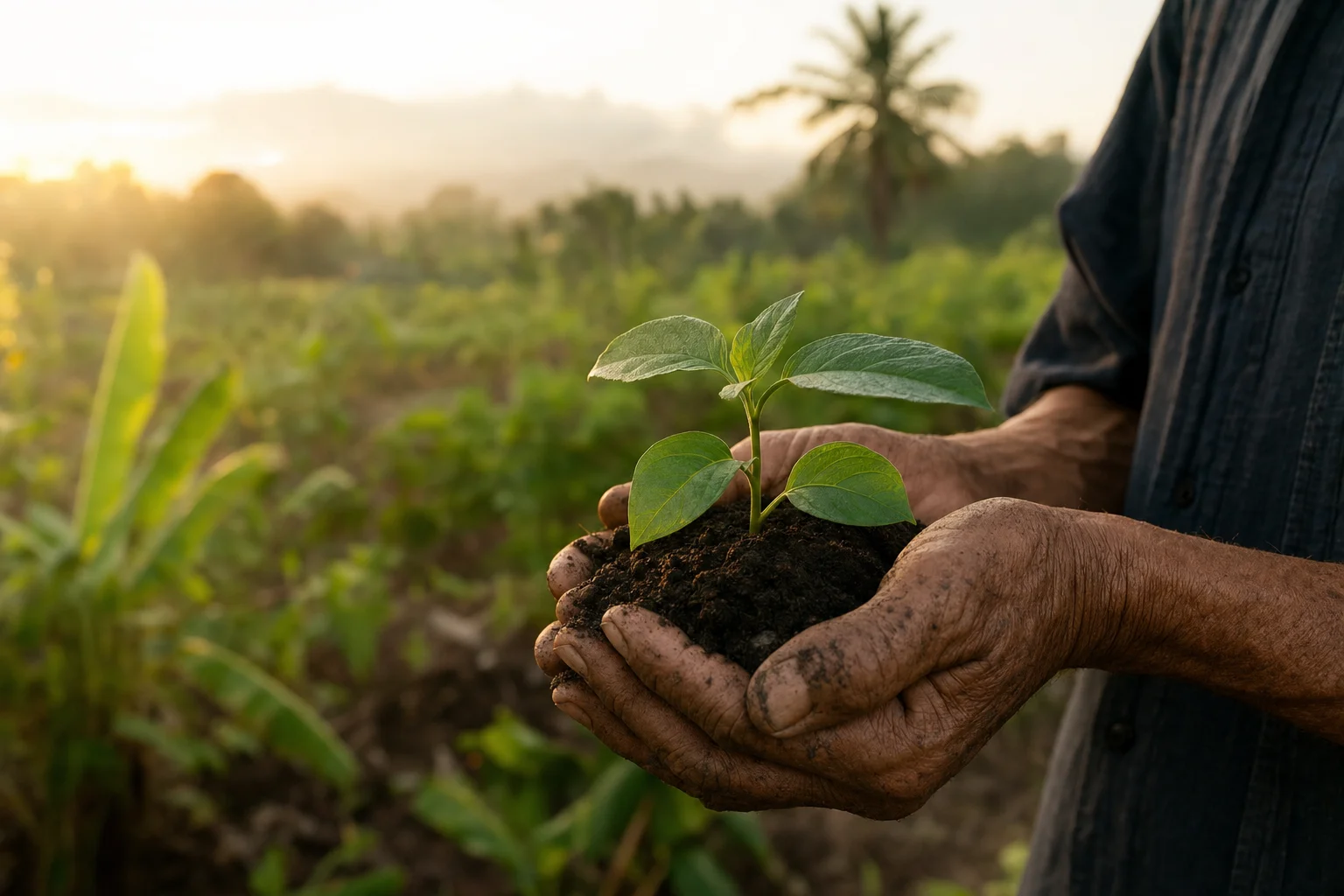
On the farm, it means soil fed with compost and rotation instead of synthetic fertiliser, pests managed with biology instead of synthetic chemistry, and animals raised with space, organic feed and no routine medication. In the workshop, it means a processed food must contain at least 95 percent organic ingredients before it may carry the mark, with only a short list of natural additives permitted.
Crucially, none of this rests on trust alone. An accredited independent certifier, such as Ecocert in France, inspects every operator in the chain at least once a year: the farm, the mill, the bottler, the warehouse. Certificates are issued, renewed and revoked. The little green leaf on a pack is the visible end of a paper trail you can actually follow, and on our certifications page we show you how to follow it.
The rules
What organic bans
The clearest way to understand organic is by what it refuses. Every certified product on our shelves is made without the following.
Synthetic pesticides
More than 700 synthetic substances used in conventional agriculture are prohibited. Pest control relies on rotation, companion planting and beneficial insects.
GMOs
Genetically modified organisms are strictly forbidden in certified organic production, in the field and in every ingredient.
Synthetic fertilisers
Soil is fed with compost and green manure instead of synthetic nitrogen, keeping soil biology alive and cutting nitrate runoff.
Artificial additives
Conventional processed food may use over 300 additives. Certified organic food is limited to a short list of around 50, all of natural origin.
Growth hormones
Organic livestock is raised without growth hormones, and animals get more space and organic feed.
Routine antibiotics
Preventive, systematic antibiotic use is banned. Sick animals are treated, but routine dosing of whole herds is not permitted.
The evidence
Health, stated carefully
We sell food, not medicine, so we choose our words with care. Here is what peer-reviewed research has measured, no more and no less.
18-69%
More antioxidants
in organic crops across 343 reviewed studies
48%
Less cadmium
a toxic heavy metal, thanks to the absence of phosphate fertilisers
4x
Fewer pesticide residues
compared with conventional produce
+50%
More omega-3
in organic milk and meat, up to half as much again
Those figures come from the landmark meta-analysis led by Baranski and colleagues, published in the British Journal of Nutrition in 2014, which pooled 343 peer-reviewed studies. They describe composition and exposure: what is in the food and what is not. They do not mean organic food cures or prevents any disease, and we will never tell you it does. For specific health conditions, talk to a qualified professional.
What we can say honestly is this: if you would rather your family ate fewer synthetic pesticide residues, less cadmium and fewer artificial additives, a certified organic basket is the most reliable way anyone has yet devised to achieve it. The full picture, including what organic does not promise, is in our health article.
The island stakes
Better for the place we live
On an island, agriculture and the sea are neighbours. Synthetic fertiliser and pesticide runoff travels down rivers into lagoons, and Mauritius lives from its lagoons. Organic farming bans that chemistry at the source.
The wider evidence is consistent: organic farms host around 30 percent more species of plants, insects and birds, support around 50 percent more pollinator species, and build soils that hold more carbon and more water. We unpack all of it, including the honest carbon math of importing food to an island, in the environment article.
The pleasure argument
And yes, the taste
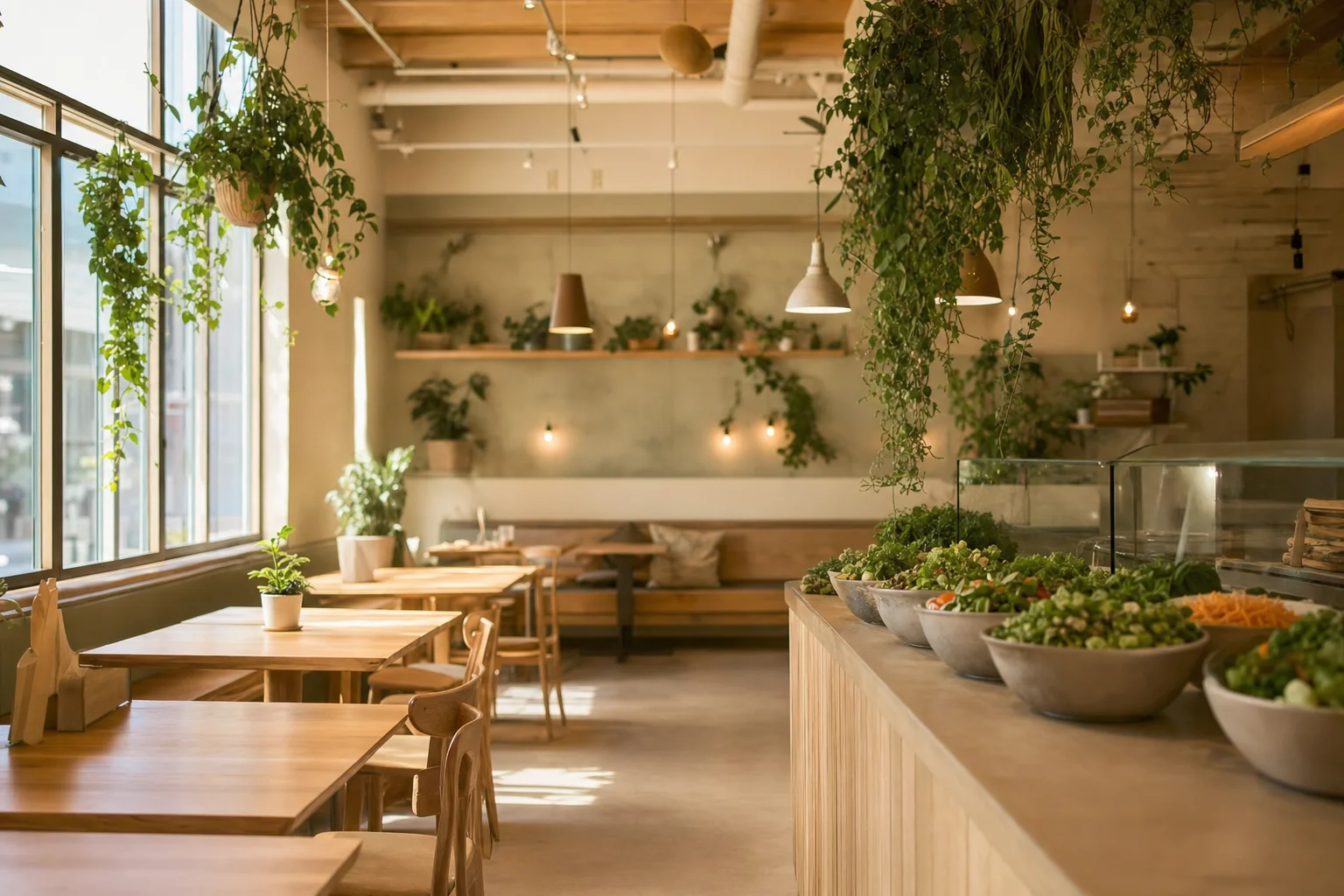
Food grown slowly, harvested ripe and processed simply tastes like itself. Stone-ground flours, cold-pressed oils, slow-fermented breads and chocolate made without artificial flavouring do not need marketing; they need a spoon. From October 2026 you will be able to taste that difference at our organic cafe and restaurant in Grand Baie, and our food truck is already cooking with it around the island. We make the case, and admit its limits, in the taste article.
The honest answer
The cost question
Organic usually costs more than conventional. We would rather explain why than pretend otherwise.
Four things sit behind the difference. Organic farms accept lower yields because they refuse yield-boosting chemistry. They employ more people, because weeding and pest management are done with rotation and labour instead of a sprayer. Certification itself costs money: annual audits, soil analyses and traceability are paid for by the producer. And everything we sell crosses an ocean to reach Mauritius, almost all of it by ship.
There is a second half to the story. Conventional food carries costs that never appear on its label: water treatment, soil degradation, biodiversity loss and the public health burden of pesticide exposure are paid by everyone, later. A 2022 French Senate report put these hidden externalities at several billion euros a year for France alone. Cheap food is often just food with its bill split differently.
Practically, you do not need to change everything at once. Switch the staples you eat daily and the produce that carries the highest residues, eat seasonally, plan your week with our meal planner, and build from there. Our team will always tell you where a swap is worth it and where it is not.
Why this site exists
In Mauritius, bio on a label is not yet proof
Organic claims in Mauritius are policed unevenly; that is why we verify our suppliers’ certificates ourselves. That gap is exactly why we built Naturespan the way we did.
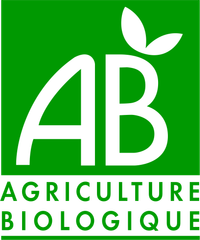
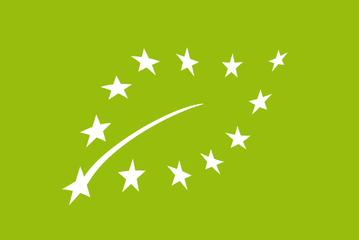
 Real marks on real products, verifiable down to the certificate.
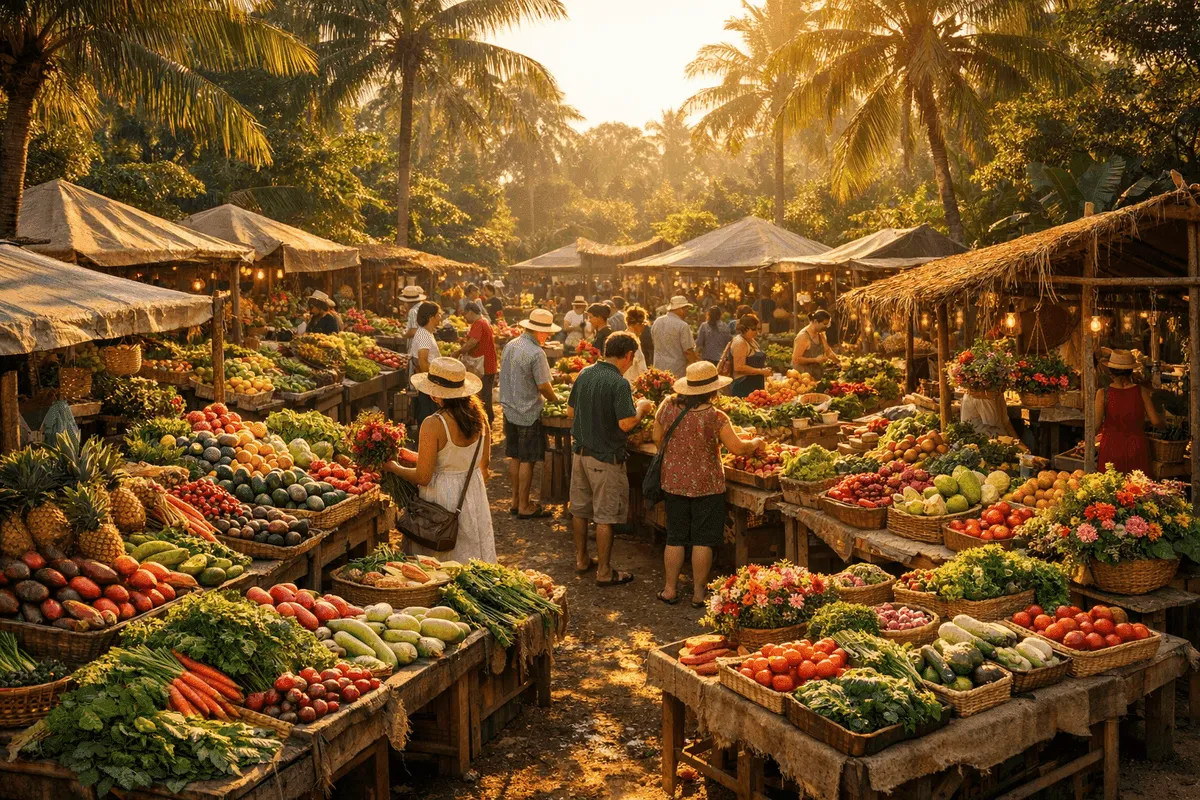
Mauritius has food labelling rules, and a national organic farming certification scheme exists, but neither is applied consistently to the word bio on a shelf. Accredited certification is a separate route, with a named certifier and an audit trail behind it, and that is the route we ask our suppliers to have taken. So the word still appears on shopfronts, market stalls and packaging with no certifier named behind it, and around a third of consumers understandably confuse bio with natural, which has no legal meaning at all.
This is not an argument against local growers, many of whom farm carefully and honestly. It is an argument for proof. Until a certificate travels with the produce, the only verifiable guarantee is an international certification traced back to its certificate. So that is the standard we hold ourselves to, on every shelf, for every product: the mark is either there, backed by a certificate we can show you, or we tell you plainly that the product is not certified.
How to protect yourself, anywhere you shop
- Look for a real mark: AB Agriculture Biologique, the EU Organic leaf, or an Ecocert reference. A green label is not a certification.
- Ask to see the certificate. Every genuine organic operator holds one and renews it yearly. Hesitation is an answer.
- Check the certifier code printed near the mark, such as FR-BIO-01. It tells you who audited the product.
- Treat natural, pure and eco as decoration unless a certification mark stands next to them.
Trust should never rest on a word. It should rest on a certificate you can ask to see.
Getting started
How to go organic without going broke
Switching is not all or nothing. Six steps, in order of impact.
Start with the highest-residue produce
Fruits and vegetables such as strawberries, spinach, apples and grapes consistently carry the heaviest pesticide residues in international testing. Swapping just these to organic cuts most of your exposure.
Switch your daily staples
The foods you eat every single day, oats, rice, pasta, oil, milk alternatives, do the most work. Changing five staples matters more than one exotic superfood.
Read the label, not the slogan
Look for the AB mark, the EU Organic leaf or an Ecocert reference on the pack. Ignore words like natural, pure or eco unless a certification mark backs them.
Eat with the season
Seasonal organic food is fresher and more affordable. Our team can tell you what is arriving and when.
Plan your week
Planning meals reduces waste and makes an organic kitchen manageable. Our free meal planner builds a week and a shopping list from 50 organic recipes.
Ask us
Visit a Naturespan store from October 1, 2026, find our food truck around the island, or write to [email protected]. Advice is what we are here for.
Questions
Frequently asked questions
Straight answers to the questions we hear most, in store, on the road and by email.
- Is organic food really better for you?
- The largest analysis to date, a review of 343 peer-reviewed studies published in the British Journal of Nutrition in 2014, found that organic crops contain 18 to 69 percent more antioxidants, about 48 percent less cadmium, and roughly four times fewer pesticide residues than conventional produce. Organic milk and meat also show higher omega-3 levels. These are measured differences in composition and exposure, not medical promises: organic food is not a treatment for any condition.
- Why does organic food cost more?
- Organic farming needs more labour, accepts lower yields, and pays for annual certification audits and full traceability. Reaching Mauritius adds sea freight on top. Conventional food looks cheaper partly because its costs to water, soil and public health are paid elsewhere. The practical answer is to switch the foods that matter most first: everyday staples and the produce with the highest residue levels.
- How do I know a product is truly organic?
- Look for a genuine certification mark on the pack: the French AB logo, the EU Organic leaf (the Eurofeuille), or a certifier reference such as Ecocert. Every certified product also carries a certifier code, for example FR-BIO-01. Any honest retailer can show you the certificate behind a product. In our stores every certified product will carry its mark, and if something is not certified we say so plainly.
- Is the word bio regulated in Mauritius?
- Not in a way you can rely on at the shelf. Mauritius has food labelling rules, and a national organic farming certification scheme exists, but neither is applied consistently to the word bio on a shelf. Accredited certification is a separate route, with a named certifier and an audit trail behind it, and that is the route we ask our suppliers to have taken. That is why the reliable guide is a recognised international certification, verified back to its certificate, and why Naturespan shows real marks on real products rather than asking you to take our word for it.
- What is the difference between organic and natural?
- Organic is a legal standard: EU Regulation 2018/848 defines how the food is grown, processed, audited and labelled, and an independent certifier inspects the whole chain every year. Natural is a marketing word: no certification standard stands behind it, and no accredited certifier audits it. A natural product may be excellent, but the word alone guarantees nothing about pesticides, GMOs or additives.
- Does organic mean completely pesticide free?
- Not quite, and we prefer to say so. Organic farming may use a short list of naturally derived treatments, such as copper and sulphur preparations, under strict limits. What testing consistently shows is that organic produce carries far fewer and far lower residues than conventional produce, with synthetic pesticides banned outright.
- Is imported organic food worse for the planet than local conventional food?
- Usually not, and the research is clear on why: production, not transport, dominates the footprint of food. Weber and Matthews (2008) found transport accounts for around 11 percent of food-related emissions while production accounts for around 83 percent. Nearly all of our volume travels by sea, which carries a small fraction of the impact of air freight. We publish our reasoning openly on our transparency page.
- When do the Naturespan stores open?
- Grand Baie (Twenty Foot Road, with an organic cafe and restaurant) and Tamarin both open on October 1, 2026. Two stores planned for 2026, two further in 2027. Our organic food truck already travels the whole island.
- Can I buy Naturespan products online?
- Yes. The Naturespan online shop is live and accepting orders. Shop our current online selection: live prices and availability are shown in the online shop. The shop is at shop.naturespan.mu. You can also visit us in store, meet the food truck, or write to [email protected] to ask about any product.
- What do you actually stock?
- Around 2,641 organic and natural products from 170 European brands, across nine families: savoury pantry, sweet pantry, drinks, bakery, food supplements, essential oils, health and beauty, baby and child, and home. Certified organic is our standard: we require certification from every supplier before a product reaches our shelves.
Keep exploring
See the certificates for yourself.
Visit us from October 1, 2026 in Grand Baie and Tamarin, meet our organic food truck around the island, or write to [email protected] with any question about a product or its certification.