
In the field
Grown slower, picked riper
Conventional produce is bred and grown for two customers: the warehouse and the shelf. It is selected for yield, uniformity and the ability to survive being picked unripe and transported far. Flavour is what gets traded away, because flavour does not scan at a checkout.
Organic growing reverses the incentives. Without growth-accelerating synthetic nitrogen, plants develop at their own pace, building denser flesh and more complex aromatic compounds instead of water weight. Fruit is more often harvested at ripeness, when sugars and acids have actually arrived, rather than gassed toward colour later. What lands on the plate is chemistry you can taste: more dry matter, more aroma, less water pretending to be food.
In the workshop
Processed like it is 1926
The quiet superpower of the organic world is its processors. Because the standard bans shortcuts, the craft survives. Flour from mills like Moulin des Moines is stone-ground, keeping the germ and its flavour. Oils are cold-pressed rather than solvent-extracted. Breads and krauts ferment slowly. Jams are mostly fruit. Nothing needs to be re-flavoured afterwards because nothing was stripped out in the first place.
Read an organic ingredient list and you will notice what is missing: no artificial flavourings, no synthetic sweeteners, no colourants. Where a conventional manufacturer may draw on more than 300 additives, organic recipes make do with around 50 substances of natural origin. When a biscuit can only taste of butter, flour and sugar, the butter, flour and sugar have to be good.
We cannot promise every organic tomato will beat every conventional one. We can promise nothing in the pack is there to fool your tongue.
Full disclosure
What taste claims cannot prove
Here is the part most retailers skip. Blind tastings of fresh produce give mixed results, because variety, freshness and season influence flavour at least as much as farming method. A just-picked conventional mango will beat a tired organic one. Taste is also gloriously personal. So we make the claim we can stand behind: organic food is grown and made in ways that let ingredients keep their character, and nothing artificial is ever added to imitate it.
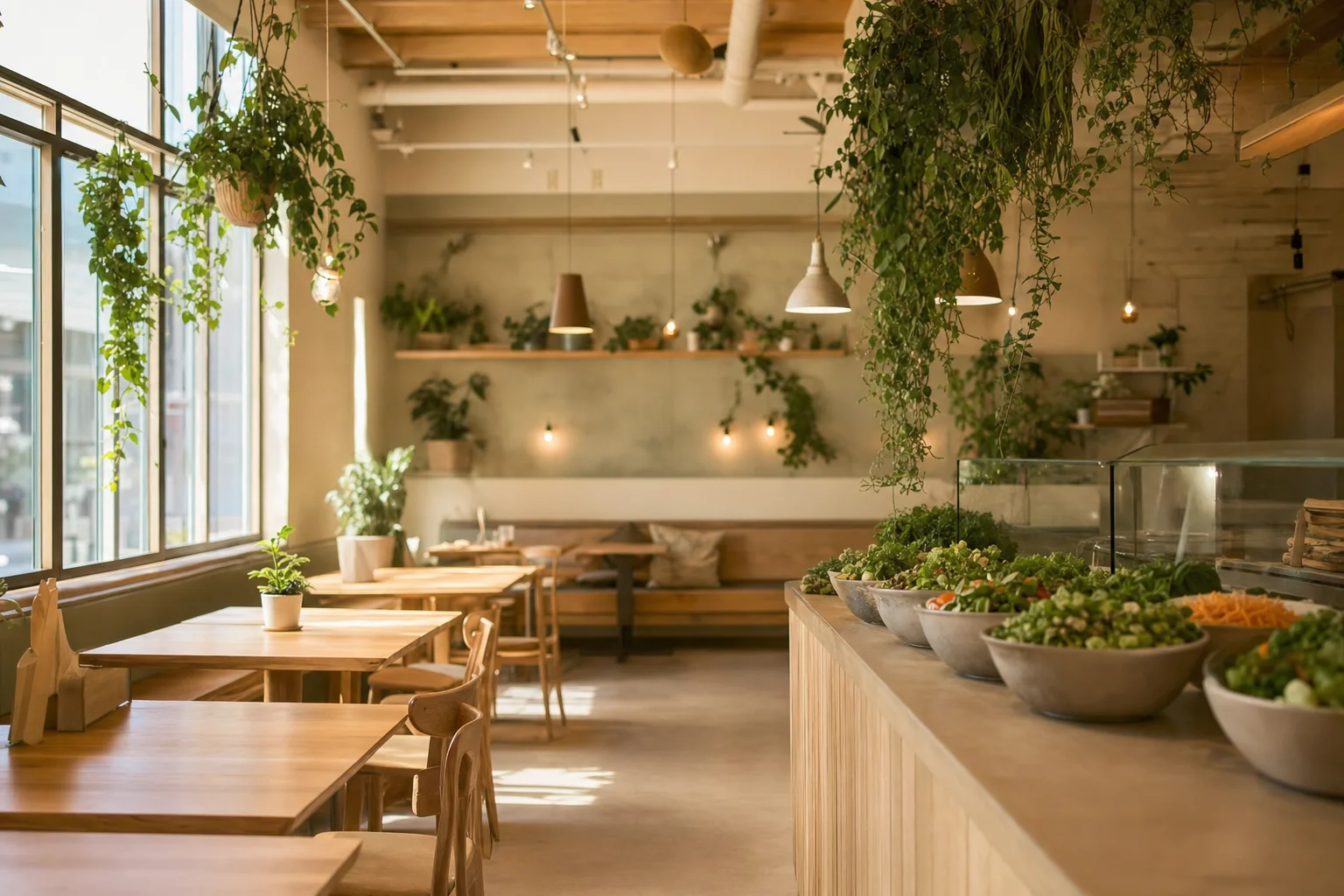
The rest we leave to your palate. From October 1, 2026, our organic cafe and restaurant in Grand Baie will cook daily from the same certified shelves we sell from, and our food truck is already serving organic street food across the island. Come taste the argument.
In your kitchen
Eating with the season, even here
Seasonality is the cheapest flavour upgrade there is. Our pantry ranges, from savoury staples to sweet treats and drinks, are built to cook alongside whatever the island market has at its best that week. If you want a head start, the meal planner combines 50 organic recipes into a weekly plan with a shopping list, and our team in store will happily point you to the products behind any of them.
Questions
Frequently asked questions
- Does organic food objectively taste better?
- Taste is personal, and blind tests give mixed results for fresh produce, where variety and freshness dominate. Where organic reliably wins is in processed foods: stone-ground flour, cold-pressed oil, slow-fermented bread and chocolate flavoured by ingredients rather than additives taste of what they are made from. We would rather give you that honest answer than a slogan.
- Why does slower growth change flavour?
- A plant that grows fast on soluble synthetic nitrogen takes up more water and builds less dry matter. A plant grown slowly in living soil concentrates sugars, acids and aromatic compounds. Flavour is largely chemistry per gram, and slow growth is how you get more of it.
- Where can I actually taste the difference?
- From October 1, 2026, at our organic cafe and restaurant inside the Grand Baie store on Twenty Foot Road, where the kitchen cooks with the same certified products we sell. Until then, find our organic food truck as it travels Mauritius.