Organic vs Conventional: What You're Really Eating
23 February 2026 · By Naturespan
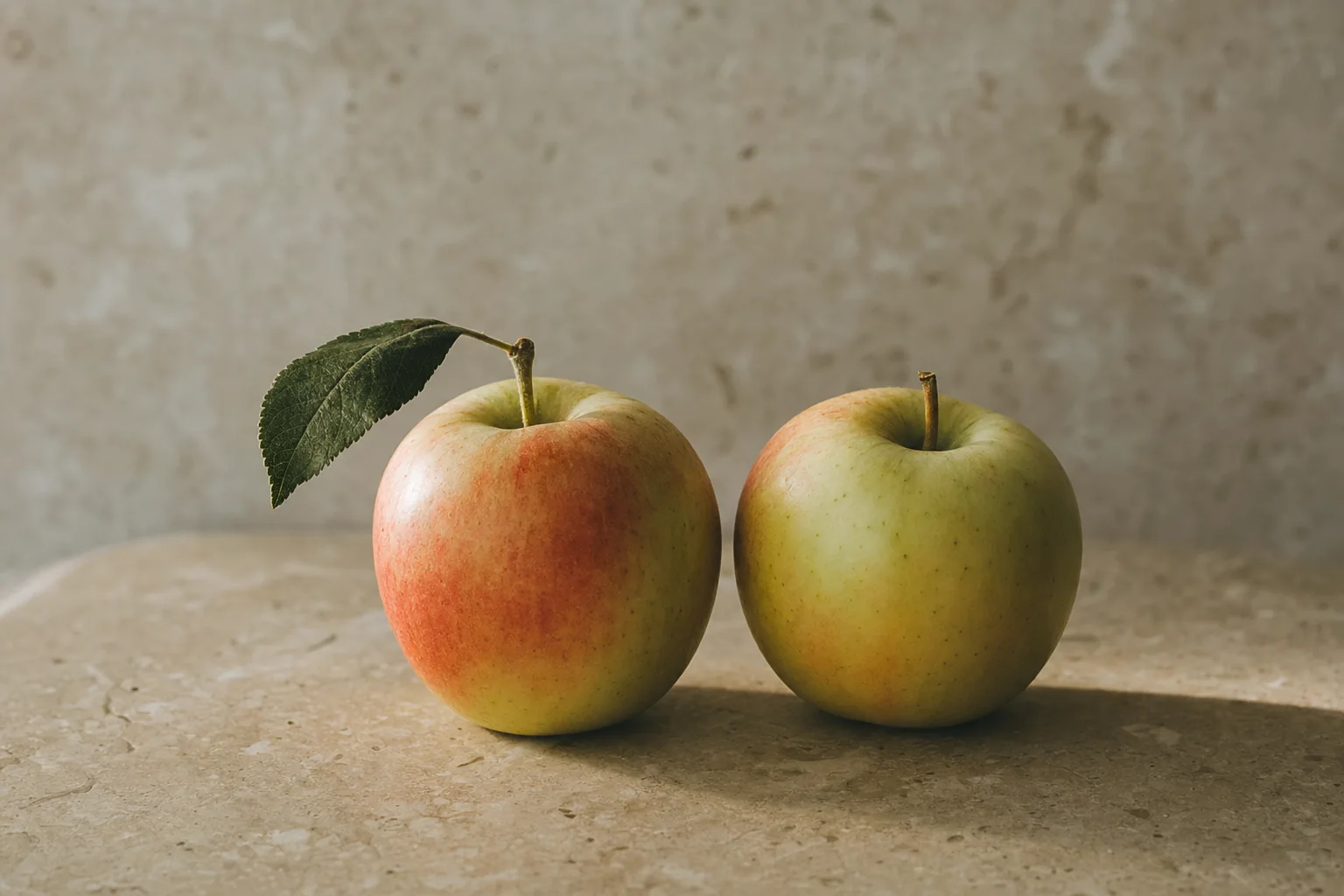
When you pick up an apple at the supermarket, it looks the same whether it is labelled organic or conventional. Same shape, same colour, sometimes even the same price. So what is the difference? The answer lies in what you cannot see - the chemical residues, the nutritional profile, and the farming practices behind that seemingly identical fruit.
What Conventional Farming Puts on Your Food
Conventional agriculture relies on a toolkit of synthetic chemicals to maximise yield and minimise losses. Over 700 synthetic pesticides, herbicides, and fungicides are approved for use in conventional farming worldwide. These chemicals are designed to kill insects, weeds, and fungi - and traces of them remain on the food that reaches your kitchen.
The Environmental Working Group (EWG), a US non-profit, publishes an annual Dirty Dozen list identifying the fruits and vegetables that carried the highest pesticide residues in United States Department of Agriculture sampling. Its 2024 list includes strawberries, spinach, kale, peaches, pears, nectarines, apples, grapes, bell peppers, cherries, blueberries, and green beans. In that US sampling, a single sample of conventional strawberries can contain residues from more than 20 different pesticides. These are US monitoring figures, not residue testing carried out in Mauritius.
These are not theoretical concerns. The European Food Safety Authority regularly finds measurable pesticide residues on a significant percentage of conventionally grown produce tested across EU markets. While individual residue levels may fall within "acceptable" regulatory limits, the cumulative effect of consuming dozens of different chemicals daily over years and decades is far less understood.
Organic certification is designed to keep those synthetic inputs out. Organic farming prohibits synthetic pesticides, relying instead on natural pest management: crop rotation, companion planting, beneficial insects, and biological controls. In the 2014 Newcastle meta-analysis described below, pesticide residues were detected four times less often in organic crops than in conventional equivalents.
The Nutritional Evidence
For years, critics dismissed organic food as nutritionally identical to conventional produce - just more expensive. Then came the science.
In 2014, the British Journal of Nutrition published the largest meta-analysis ever conducted on organic versus conventional crops. Led by Professor Carlo Leifert at Newcastle University, the study reviewed 343 peer-reviewed publications covering hundreds of thousands of data points. The findings were striking:
- Organic crops contain 18-69% more antioxidants than conventional equivalents - the nutritional equivalent of eating one to two additional portions of fruit and vegetables per day
- Cadmium concentrations - cadmium is a toxic heavy metal linked to kidney damage - were 48% lower in organic crops
- Pesticide residue frequency was four times lower in organic produce
- Organic crops had significantly higher levels of certain polyphenols and flavonoids
A follow-up study by the same team, published in the British Journal of Nutrition in 2016, found that organic meat and dairy products contain approximately 50% more omega-3 fatty acids than conventional equivalents. Omega-3s are essential fats that the body cannot produce on its own, and most Western diets are deficient.
Beyond Pesticides: The Hidden Inputs
The differences between organic and conventional go beyond pesticide residues. Conventional farming systems routinely use:
- Synthetic nitrogen fertilisers - these boost growth speed but can reduce the concentration of vitamins and minerals in the harvested crop. Plants grow faster but develop fewer defensive compounds (many of which are the very antioxidants beneficial to human health)
- Growth hormones - used in conventional livestock farming to accelerate weight gain, these hormones can persist in meat and dairy products
- Routine antibiotics - administered to healthy animals as a preventive measure and growth promoter, contributing to the global crisis of antibiotic resistance
- GMOs - genetically modified organisms are permitted in conventional agriculture but strictly prohibited under organic certification
Organic farming prohibits all of these inputs. Animals are raised with access to outdoor space, fed organic feed, and treated with antibiotics only when genuinely ill - not as a routine measure.
The Dirty Dozen: Where to Start
If switching your entire shopping basket to organic feels overwhelming, EWG's 2024 US list offers a practical starting point. These twelve items carried the highest pesticide loads in that year's US sampling of conventionally grown produce:
- Strawberries
- Spinach
- Kale, collard, and mustard greens
- Peaches
- Pears
- Nectarines
- Apples
- Grapes
- Bell and hot peppers
- Cherries
- Blueberries
- Green beans
Prioritising these twelve is a practical way to spend an organic budget. How much any one household's total pesticide exposure changes depends on what and how much it eats, so we do not put a figure on it here.
Conversely, the Clean Fifteen - avocados, sweet corn, pineapple, onions, papaya, frozen sweet peas, asparagus, honeydew melon, kiwi, cabbage, mushrooms, mangoes, sweet potatoes, watermelon, and carrots - tend to have very low pesticide residues even when conventionally grown, making them lower priority for the organic switch.
Reading Labels: What Organic Certifications Mean
Not all "natural" or "eco-friendly" labels guarantee organic production. Genuine organic certification requires:
- No synthetic pesticides or fertilisers for a minimum of three years before certification
- Annual audits of the entire production and supply chain
- Complete traceability from field to shelf
- No GMOs at any stage of production
Look for these trusted certifications: AB (Agriculture Biologique, France), EU Bio (European Union organic leaf logo), USDA Organic (United States Department of Agriculture), or equivalent nationally recognised labels. At Naturespan, we check our suppliers' certificates ourselves and show each product's certification status, so you can see what is certified organic and what is a carefully selected natural product.
Making the Switch Practical
Going fully organic overnight is neither necessary nor realistic for most families. A sensible approach:
- Start with the Dirty Dozen - swap these twelve items first for the biggest impact on pesticide reduction
- Switch your staples - milk, eggs, bread, and cooking oil are consumed daily, so upgrading these to organic compounds the benefit over time
- Shop seasonal - organic seasonal produce is more affordable than out-of-season imports and is picked closer to ripeness
- Read labels - learn to recognise genuine organic certifications and ignore marketing buzzwords
- Visit Naturespan - our team can guide you through the best products for your needs and budget, or browse our range at TheShop.mu for home delivery
Organic food is not a marketing gimmick. It is a measurably different product - grown without the synthetic pesticides and fertilisers that define conventional agriculture, and of measurably different composition in the meta-analysis above. What you eat matters, and knowing what is really on your plate is what this guide is for.
Eating well is one part of a longer, healthier life. Explore the wider Healthspan health ecosystem.