Why freshness matters more than the label alone
When you buy organic produce, you are choosing a farming system that limits synthetic pesticides and supports healthier soils. But if the fruit or vegetables are old, bruised, or badly stored, you still lose on flavour, nutrients, and shelf life. Freshness matters for both taste and value.
In Mauritius, where heat and humidity can shorten the life of produce quickly, learning to judge freshness is especially useful. Whether you shop at a market, roadside stall, or specialty store, a few simple checks can help you bring home better food and waste less.
Start with the season
The easiest way to find fresher produce is to buy what is in season. Seasonal fruit and vegetables are usually harvested closer to their peak ripeness, which means better taste and less time in transport or storage.
In practical terms, this often means:
- Fruits feel fragrant and full, not watery or pale.
- Leafy greens look crisp rather than limp.
- Tomatoes, cucumbers, and herbs have stronger aroma and better texture.
If a product is available year-round but looks tired or expensive, it may have travelled far or spent too long in storage. That does not make it bad, but it does mean you should inspect it more closely.
Use your senses, smell, touch, and sight
Freshness is not always visible from packaging alone. Your senses are often the best tools.
Smell
A ripe pineapple, papaya, mango, or avocado should have a gentle natural aroma. A sour, fermented, or overly dull smell can signal overripeness or spoilage. Herbs should smell bright and lively when you rub a leaf between your fingers.
Touch
Gently press the produce where appropriate.
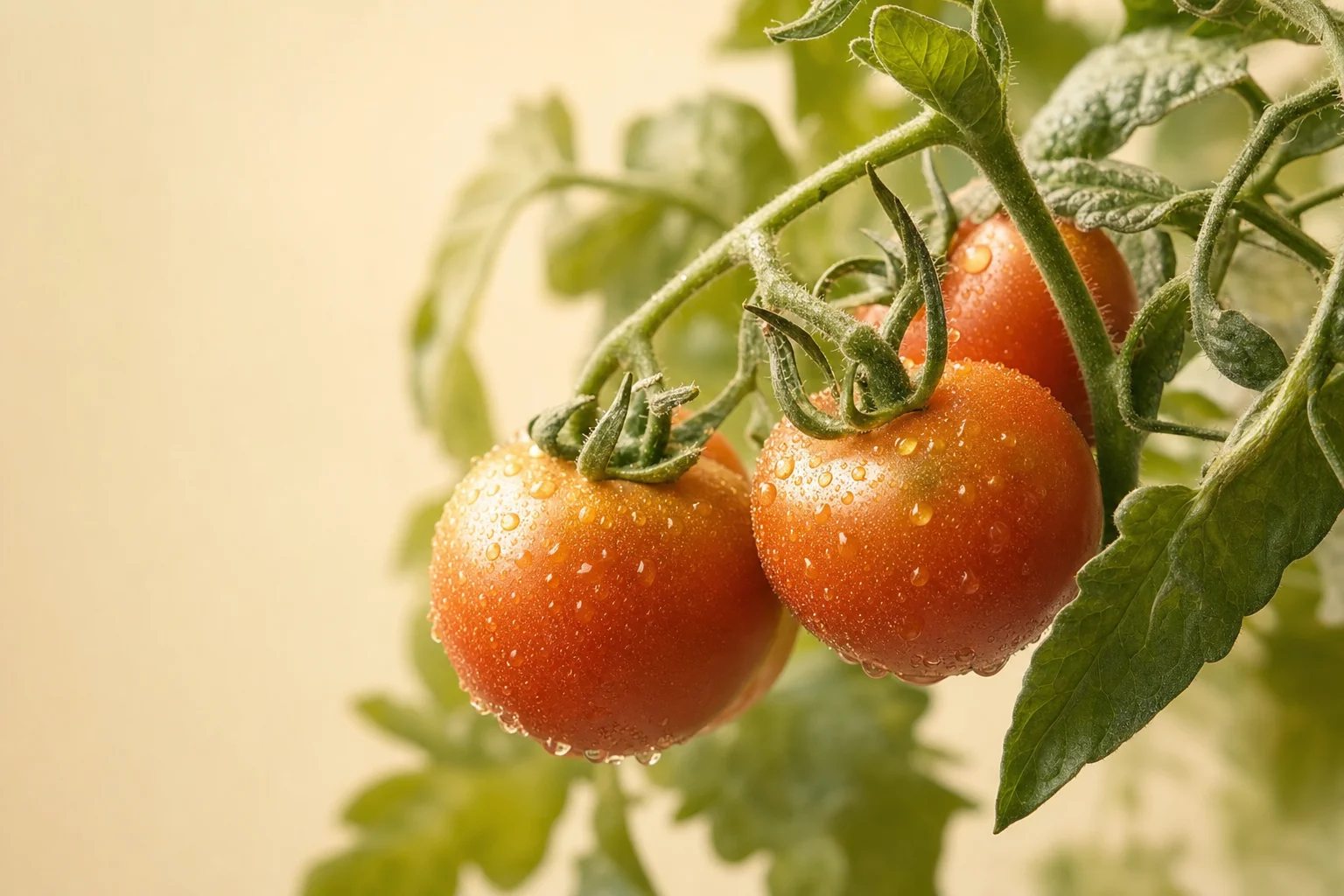
- Tomatoes should yield slightly, not collapse.
- Avocados should feel soft but not mushy.
- Stone fruit should have a little give, with no wet spots.
- Leafy greens should feel firm and springy.
Avoid squeezing every item. The goal is to test one or two pieces without damaging the display.
Sight
Look for colour, surface quality, and damage.
- Bright, even colour often signals freshness, though some blemishes are normal.
- Dry stems are better than slimy ones on greens and herbs.
- Wrinkled skins can mean dehydration or age.
- Blackened edges, mould, or leaking liquid are warning signs.
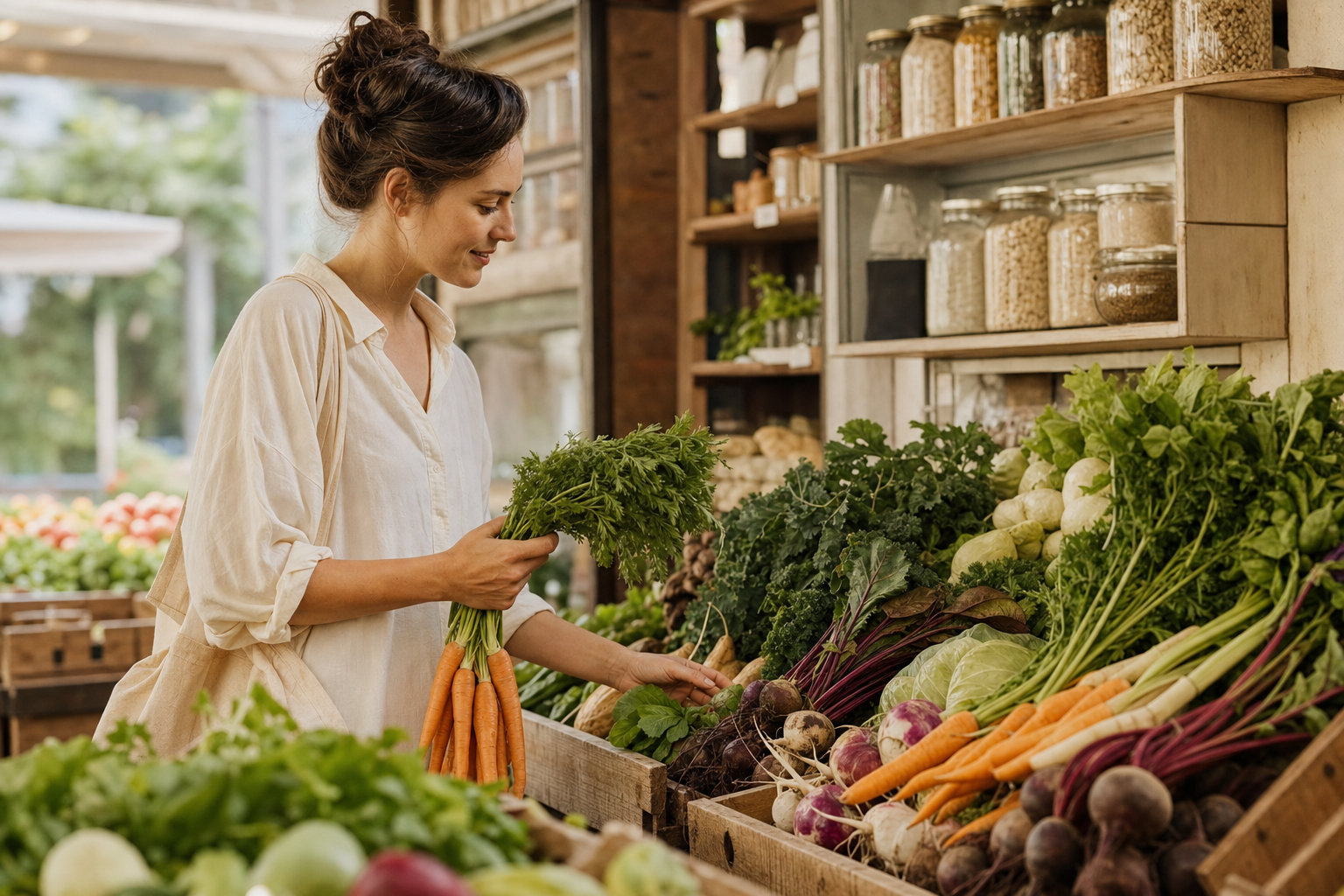
For root vegetables like carrots, beetroot, and radishes, firmness matters more than perfect shape.
Learn the difference between cosmetic flaws and spoilage
Organic produce is sometimes less uniform than conventional produce. That is normal. A carrot may be crooked, a mango may have a scar, or a lettuce leaf may have holes from insect feeding. These are usually cosmetic issues, not signs of poor quality.
What you want to avoid are signs of spoilage, such as:
- Soft, wet, or slimy patches
- Mould, especially around stems or seams
- Strong sour or alcoholic smell
- Severe bruising with leaking juice
- Wilted greens that do not recover after chilling
In many cases, a small blemish can be trimmed away. But if damage is widespread, the produce may spoil quickly at home.
Ask the seller a few simple questions
A good vendor can tell you a lot about the produce if you ask. You do not need a long conversation, just a few direct questions.
Useful questions include:
- When was this harvested?
- Was it picked this morning or yesterday?
- How has it been stored?
- What should I eat first if I buy several items?
If a seller knows their stock well, they can often tell you which batch is freshest. This is especially helpful for leafy greens, berries, herbs, and mushrooms, which lose quality faster than sturdier produce.
Pay attention to packaging and display
Even organic produce can be damaged by poor handling after harvest. Heat, sun, and crowding all reduce freshness.
Look for these signs of careful handling:
- Produce kept in shade or refrigeration when needed
- Clear separation between wet and dry items
- Clean crates and baskets
- No pooling water under leafy greens
- Minimal bruising from overstacking
If fruits are sitting in direct sun in Mauritius heat, they may ripen too fast or soften before you get home. Greens and herbs are especially vulnerable. Choose items from cooler, well-managed displays whenever possible.
Choose produce that fits your cooking plan
Freshness also depends on when you plan to use the food.
If you will cook tomorrow, you can buy produce at peak ripeness. If you need it to last several days, choose slightly firmer items.
A simple rule:
- Eat first: berries, herbs, leafy greens, ripe bananas, soft tomatoes
- Eat later: carrots, pumpkins, cabbage, apples, firm avocados, citrus
This reduces waste and helps you plan meals around what will spoil fastest.
Store it properly once you get home
Fresh produce can lose quality fast if it is not stored well. The first hour after shopping matters.
Some basics that help in a humid climate:
- Remove damaged leaves before storage.
- Keep herbs and greens dry, moisture speeds spoilage.
- Refrigerate delicate items promptly.
- Do not wash everything at once unless you will dry it fully.
- Store tomatoes, bananas, and avocados separately from leafy greens when possible, because some fruits release ethylene gas that speeds ripening.
A clean container or cloth bag can help extend life, but airflow matters too. Avoid sealing wet produce in airtight bags.
A quick market checklist
Before you buy, pause for a 30 second check:
- Is it in season?
- Does it look and smell fresh?
- Is it firm, crisp, or appropriately ripe?
- Are there signs of mould, slime, or leaking?
- Will I use it soon enough?
If the answer is yes to the first four and the fifth fits your plan, it is usually a good choice.
Conclusion, trust your senses and buy with purpose
Organic produce is at its best when it is also fresh, well handled, and matched to the season. In Mauritius, where warm weather can shorten shelf life, a little attention at the market goes a long way.
Use your senses, ask simple questions, and buy with your meals in mind. That approach helps you enjoy better flavour, reduce waste, and get more value from every basket. The result is not just healthier shopping, it is a more confident, practical way to eat well.
Eating well is one part of a longer, healthier life. Explore the wider Healthspan health ecosystem.