Farm-to-Table in Mauritius: Supporting Local Organic Farmers
23 February 2026 · By Naturespan
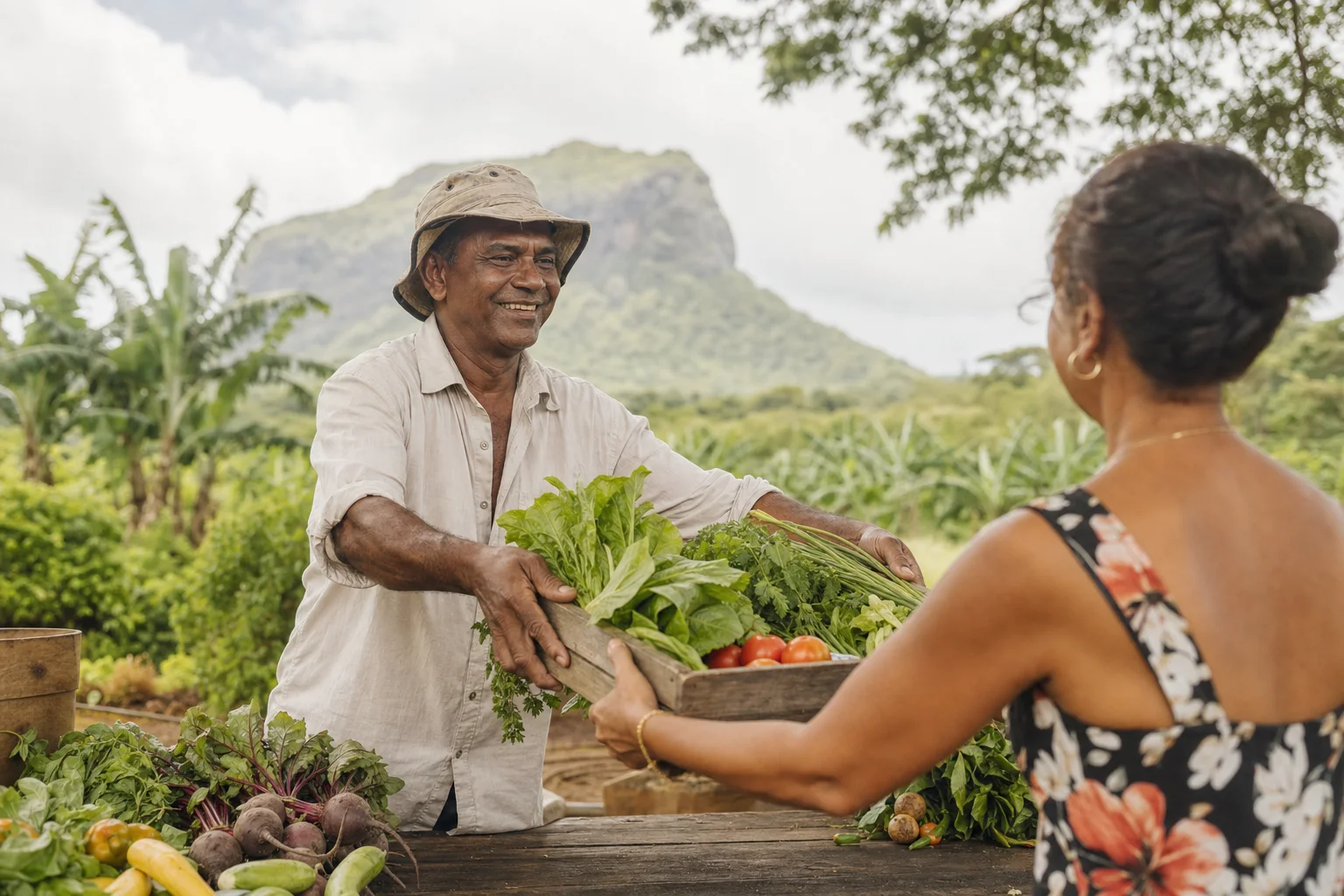
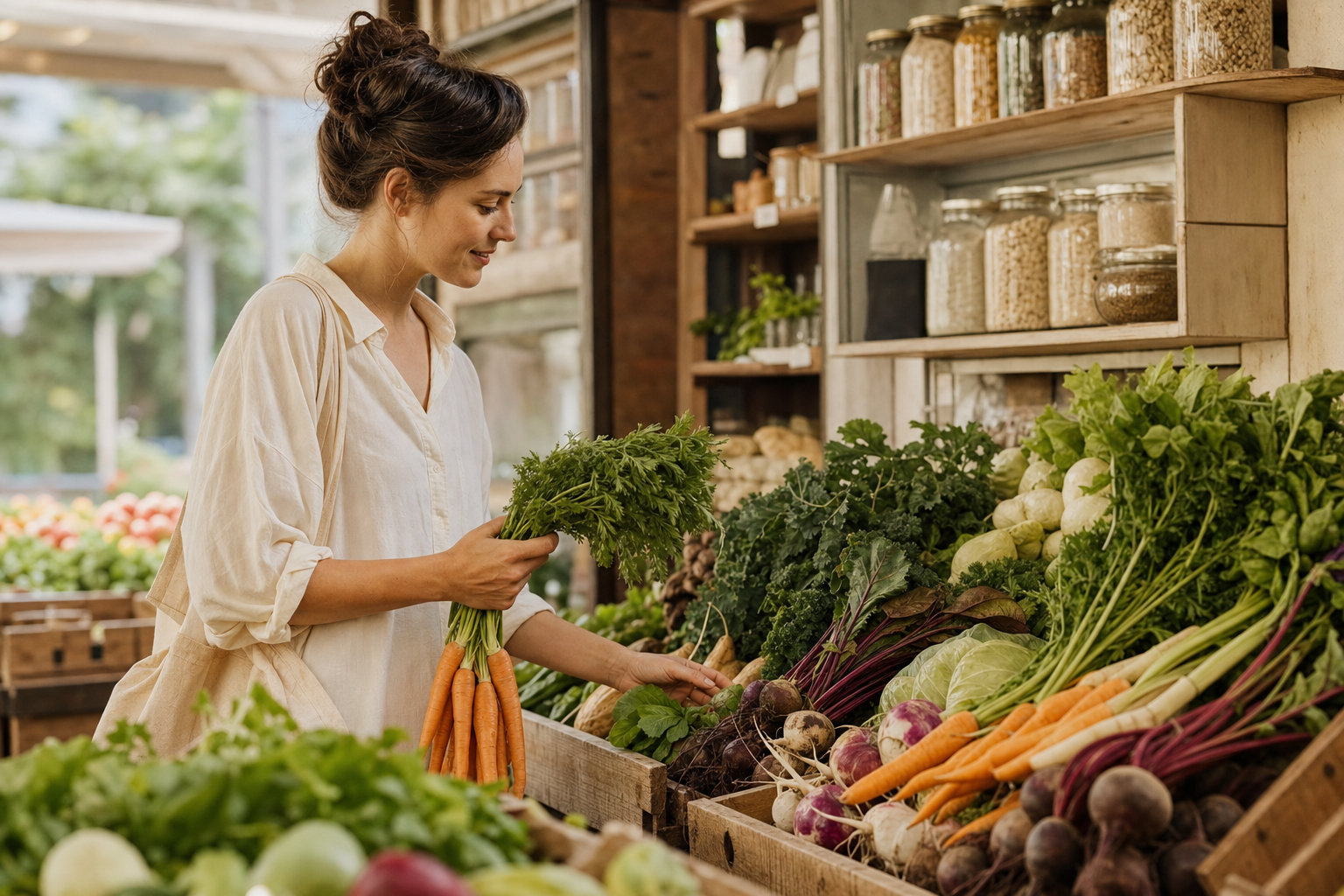
There is a profound difference between food that has travelled 10,000 kilometres in a refrigerated container and food that was harvested yesterday on a farm thirty minutes from your kitchen. The difference is not just freshness - it is nutritional value, environmental impact, economic justice, and community resilience. In Mauritius, the farm-to-table movement is not a trend; it is a necessity.
Why Local Sourcing Matters for Mauritius
As an island importing more than three-quarters of its food, Mauritius is uniquely vulnerable to the disruptions of global supply chains. The COVID-19 pandemic demonstrated this vulnerability starkly: shipping delays, export restrictions, and price spikes left the island scrambling for basic provisions.
Building a stronger local food system is the antidote. When food is grown, harvested, and consumed on the island, it is insulated from international crises. Shorter supply chains mean fewer points of failure, less reliance on fossil fuel-powered transport, and greater control over food quality and safety.
But local sourcing is about more than risk mitigation. It is about building an economy where the money Mauritians spend on food stays in Mauritius - paying local farmers, supporting local families, and reinvesting in local communities.
The Local Multiplier Effect
Economists use the term "local multiplier effect" to describe what happens when money is spent within a community rather than sent overseas. When you buy imported organic olive oil, the purchase price exits the Mauritian economy entirely - paying overseas farmers, processors, shippers, and distributors.
When you buy organic herbs, lettuce, or tropical fruit from a Mauritian farmer, that money circulates locally. The farmer pays their workers, buys supplies from local merchants, pays rent, educates their children at local schools, and spends at local businesses. Studies consistently show that every rupee spent locally generates two to three times more economic activity than a rupee spent on imports.
At Naturespan, we prioritise this multiplier by sourcing locally wherever the quality and certification standards allow. Our commitment is not just to stock local products - it is to actively develop the local organic supply chain through fair pricing, advance purchase agreements, and technical support for farmers transitioning to certified organic methods.
Profiles in Organic Farming
Across Mauritius, a new generation of farmers is proving that organic agriculture is viable, profitable, and deeply rewarding. While the certified organic sector is still young on the island, the pioneers are blazing a trail that others are increasingly eager to follow.
The Market Garden Model
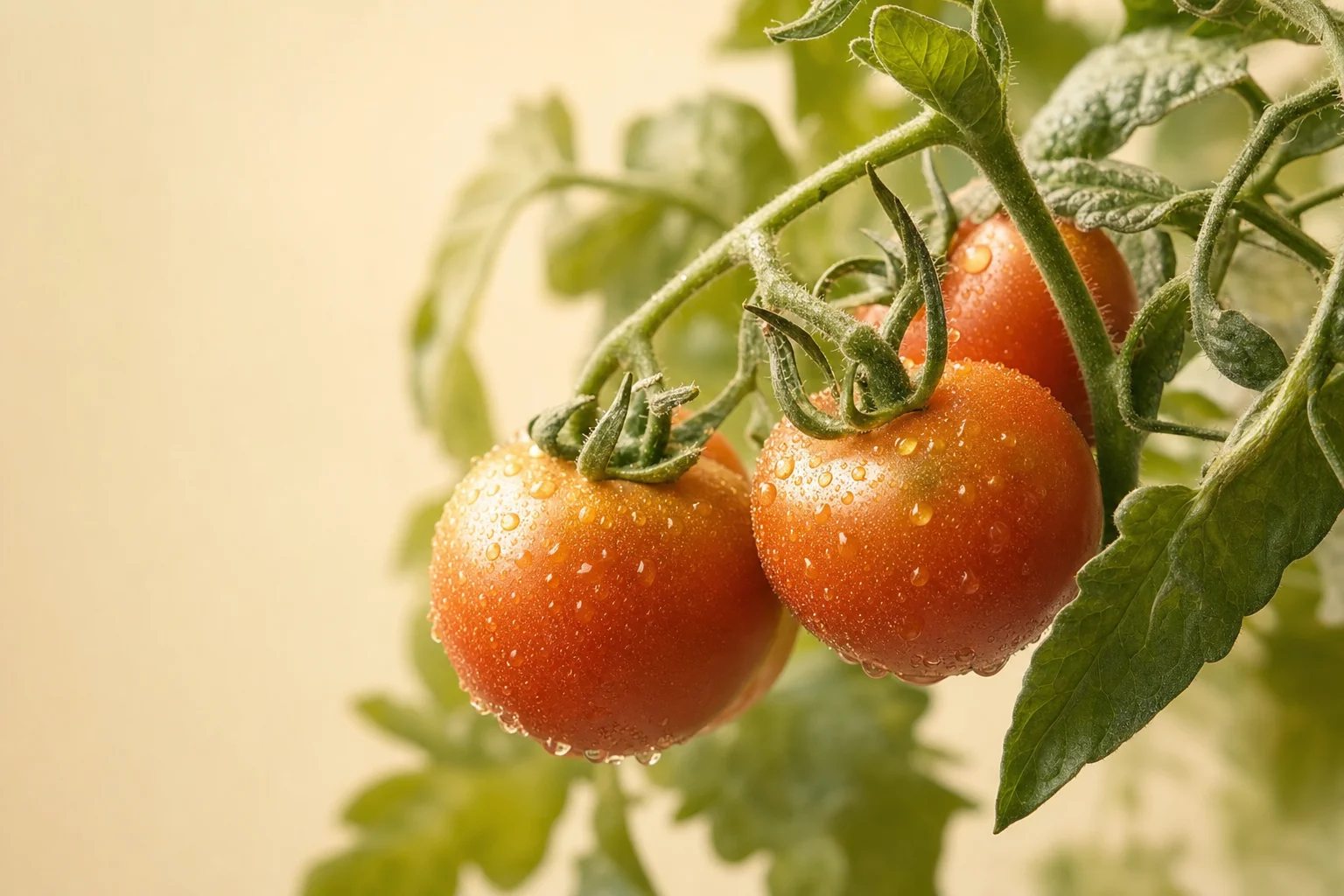
In the south of the island, small-scale market gardeners are cultivating diverse organic plots on land that once grew sugarcane. Working plots of two to five hectares, these farmers grow a rotating selection of lettuces, herbs, tomatoes, cucumbers, peppers, aubergines, and tropical vegetables. Without synthetic pesticides, they rely on companion planting - basil alongside tomatoes to repel aphids, marigolds bordering the plot to deter nematodes - and on biological controls such as ladybird beetles and parasitic wasps.
The economics work because the organic premium more than compensates for the additional labour. A kilogram of organic cherry tomatoes commands two to three times the price of conventional equivalents at local markets, and demand consistently exceeds supply. These farmers sell everything they grow, often through advance orders from restaurants and direct delivery customers.
The Tropical Fruit Opportunity
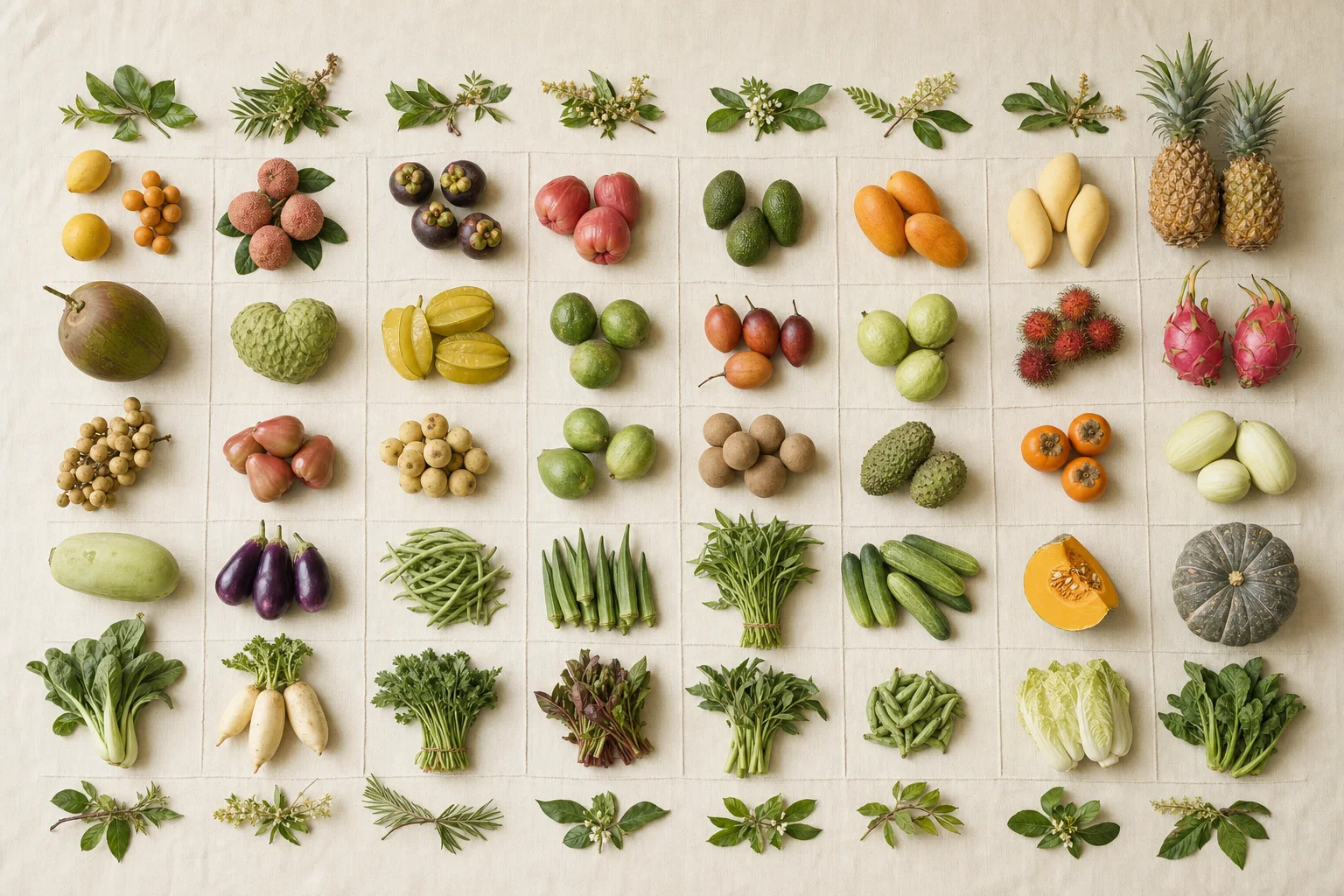
Mauritius' tropical climate supports an extraordinary range of fruit: mangoes, papayas, lychees, passion fruit, guavas, pineapples, bananas, and coconuts all thrive on the island. Several farming families are transitioning their fruit orchards to organic certification - a process that requires three years of chemical-free management before the "organic" label can be applied.
The transition period is the hardest part. Yields may dip temporarily as soil biology recovers from years of chemical dependence, and the produce cannot yet be sold at organic prices. Supporting farmers through this transition - with guaranteed purchase commitments and fair pricing for their "in conversion" produce - is one of the most impactful things a retailer can do.
The Herb and Spice Specialists
Mauritian soil and climate are ideal for growing aromatic herbs and spices organically: turmeric, ginger, lemongrass, coriander, mint, basil, thyme, and the island's own distinctive curry leaves. A handful of specialist growers are cultivating these crops using traditional methods - no synthetic inputs, hand-harvested, sun-dried or fresh-packed - and producing flavour profiles that imported dried herbs simply cannot match.
These are exactly the products that Naturespan seeks to champion: genuinely local, impeccably grown, and bursting with the flavour that comes from healthy soil and careful stewardship.
Fair Trade, Fair Prices
The conventional agricultural supply chain is often exploitative. Middlemen, wholesalers, and large retailers capture the majority of the final retail price, while the farmer who did the actual growing receives a fraction. In many conventional supply chains, the farmer receives less than 20% of the price the consumer pays at the checkout.
Naturespan operates on a different model. We work directly with organic farmers wherever possible, eliminating intermediaries and ensuring that a fair share of the retail price returns to the people who grow the food. Our purchasing agreements are transparent: farmers know what they will receive, and prices are set to cover the true cost of organic production plus a reasonable margin.
This is not charity - it is good business. Farmers who are paid fairly produce better food, invest in their land, and remain in agriculture for the long term. Farmers who are squeezed on price cut corners, deplete their soil, and eventually abandon farming entirely. Fair pricing creates a virtuous cycle that benefits everyone: farmer, retailer, and consumer.
Building Community Resilience
The farm-to-table model does more than produce good food. It builds the social fabric that makes communities resilient.
When Naturespan partners with a local organic farmer, the relationship extends beyond simple purchasing. We provide feedback on quality and presentation, share market intelligence about consumer preferences, and connect farmers with certification bodies and technical advisors. Several of our farming partners have expanded their operations, hired additional workers, and begun mentoring neighbouring farms in organic methods - all because a reliable market gave them the confidence to invest and grow.
This ripple effect is the real power of local sourcing. Every organic farm that succeeds in Mauritius demonstrates to others that organic is viable. Every farmer who transitions from conventional to organic reduces pesticide use, improves soil health, and produces healthier food for the island. And every consumer who chooses local organic products over imports strengthens this cycle.
How You Can Support Local Organic Farmers
- Shop at Naturespan - our stores in Grand Baie, Tamarin, and Telfair prioritise locally sourced organic products, clearly labelled by origin
- Ask about origin - when shopping anywhere, ask where the produce comes from. Demand creates supply
- Visit farmers' markets - meet the people who grow your food and understand their practices firsthand
- Accept imperfection - local organic produce may not look as uniform as waxed, imported fruit. The flavour and nutrition more than compensate
- Order online - browse Mauritian organic products at TheShop.mu for convenient home delivery
- Spread the word - tell friends and family about the farmers and products you discover. Word of mouth is the most powerful marketing a small farmer can receive
The farm-to-table movement in Mauritius is more than a food philosophy - it is a blueprint for a stronger, healthier, more self-sufficient island. Every locally grown organic product on your table represents a vote of confidence in Mauritian soil, Mauritian skill, and Mauritian resilience. That is a meal worth savouring.
Eating well is one part of a longer, healthier life. Explore the wider Healthspan health ecosystem.