Where to Buy Organic in Mauritius in 2026: The Honest Guide
8 July 2026 · By Naturespan
Ten years ago, buying organic in Mauritius meant a suitcase from Paris or a lucky find in a pharmacy. Today the picture is completely different. Demand has grown, options have multiplied, and the word bio appears in more places every month. What has not kept pace is consistency. Quality, certification, and freshness vary enormously from one point of sale to the next, and because Mauritius has no regulatory authority controlling organic claims, the shopper has to do the checking.
This is our honest map of the options in 2026, including what each does well, what to watch for, and where Naturespan fits in. We sell organic groceries ourselves, so read our view of the market with that in mind. We have tried to be fair, because a strong organic ecosystem in Mauritius needs every one of these channels to succeed.
Option 1: Farmers Markets and Bazaars
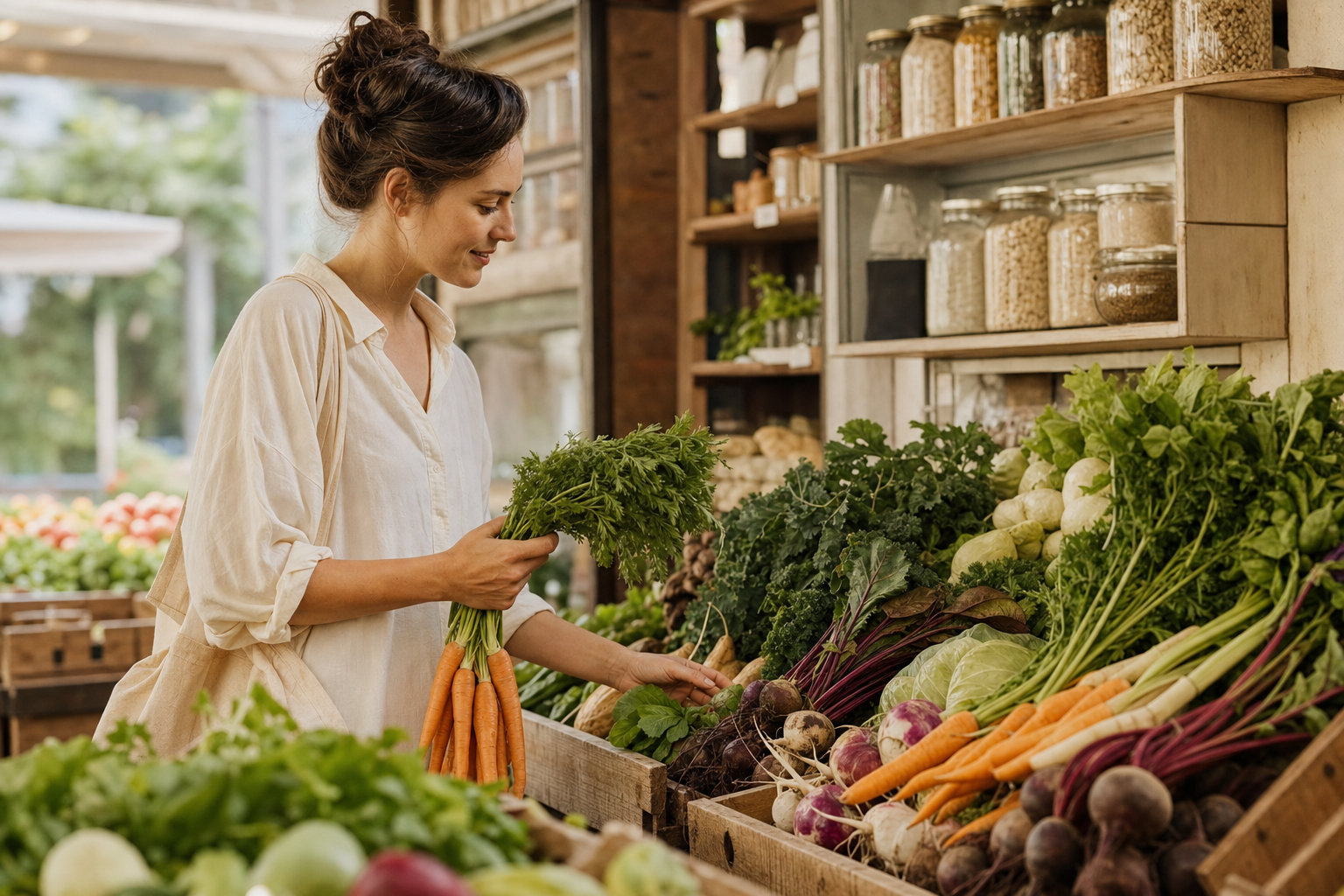
The island's markets, from the big regional bazaars to the newer weekend farmers markets, remain the soul of Mauritian food shopping. For fresh, local, seasonal produce, nothing beats them. You buy from the person who grew the food, the produce was often harvested within a day or two, and the prices reflect a short supply chain.
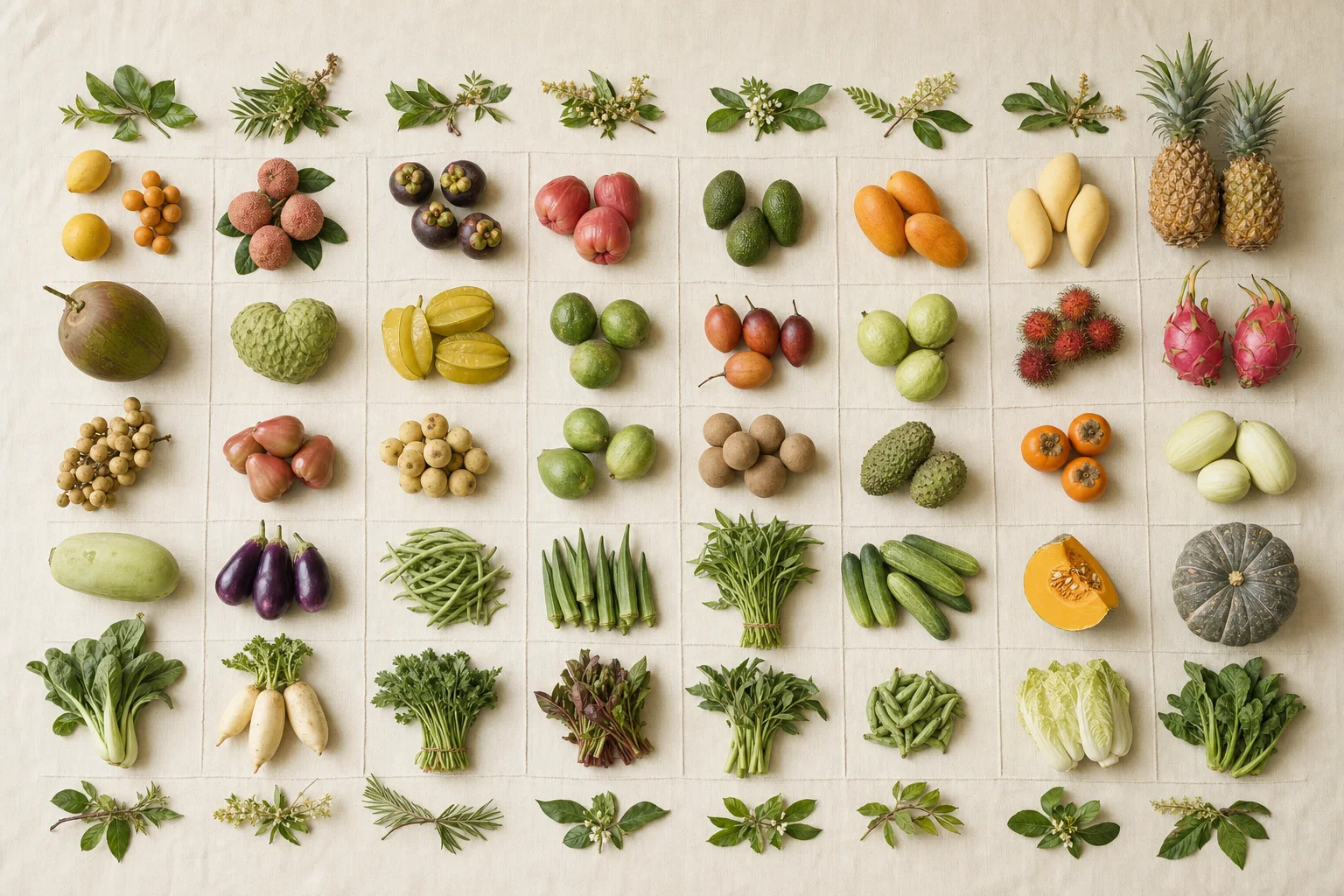
What they do brilliantly: freshness, seasonality, variety of local vegetables and tropical fruit, and direct relationships with growers. A planter who will tell you exactly which plot your brèdes came from is worth returning to every week.
What to watch: almost none of this produce is certified organic. A handwritten bio or natirel sign reflects the grower's intention, not an audit. Some market growers genuinely farm without synthetic inputs, others use conventional sprays and honestly say so, and a few borrow the vocabulary without the practice. The fix is conversation. Ask how the crop was grown, what is used against insects and weeds, and whether you can visit the farm. Sincere growers love these questions. Evasive answers tell you what you need to know.
Option 2: Independent Health Shops
Mauritius has a small but dedicated network of health food shops, many run by passionate owners who introduced the island to organic products long before it was fashionable. They deserve real credit for building the market.
What they do brilliantly: curation and knowledge. A good health shop owner knows every product personally, can explain why one spirulina differs from another, and often stocks specialist items nobody else imports.
What to watch: small shops move stock slowly, and the tropics are unkind to natural products. Check best before dates carefully, especially on oils, seeds, flours, and supplements, which degrade quickly in heat and humidity. Look at how products are stored. Delicate items displayed in direct sun or without air conditioning lose quality long before their printed date. And apply the label test from any serious organic guide: a certification mark with a certifier code is a guarantee, everything else is a story.
Option 3: Supermarket Bio Corners
The big supermarket chains have all added bio sections, and this is genuinely good news. It signals that organic has gone mainstream, and it puts certified staples within reach of shoppers who would never visit a specialist store.
What they do brilliantly: convenience and logistics. If you are already doing your weekly shop, picking up certified organic pasta, milk, or baby food in the same trolley is a real service. The imported products in these corners usually carry genuine Eurofeuille certification.
What to watch: mixed shelving and mixed knowledge. Bio corners often blend certified organic products with natural, diet, and wellness items that are not organic at all, and the shelf labels rarely distinguish them. Staff can seldom answer certification questions. Ranges are also shallow, built around a few fast movers, so a shopper trying to run a genuinely organic kitchen will hit the limits quickly. Treat the bio corner as a useful top-up, and read every label yourself.
Option 4: Online Shopping and Delivery
A handful of local websites and social media sellers now deliver organic and natural products across the island, and delivery is a blessing for anyone far from the shops.
What they do brilliantly: access. If you live in the south or the east, online delivery may be your only practical route to specialist products.
What to watch: you cannot inspect anything before you pay. Check whether product photos show the actual certification marks, whether the seller states who certified each product, and how chilled or delicate items travel. A seller who publishes full label information, ingredient lists, and honest stock dates is showing respect for the customer. One who posts only lifestyle photos and the word bio is asking for blind trust.
What to Check Wherever You Buy
Whatever the channel, the same five checks protect you:
- Certification first. Look for the EU organic leaf with its certifier code, the AB mark, or Ecocert and COSMOS on cosmetics and household goods. No mark means no guarantee, however lovely the packaging.
- Read the ingredient list. Short, recognisable, and clearly marked organic ingredients are what you are paying for.
- Check dates and storage. Heat is the enemy of natural products. Cool, shaded, air conditioned storage matters as much as the date stamp.
- Ask questions. Where does this come from, who certified it, when did it arrive? Good sellers answer with pleasure.
- Judge the whole shop. A retailer that is rigorous about one product is usually rigorous about everything. A retailer that is casual about one claim is usually casual about all of them.
Where Naturespan Fits In
This is the part of the guide where we declare our interest, and our ambition. Naturespan opens its first two stores on September 1, 2026: Grand Baie, on Twenty Foot Road, which includes an organic cafe restaurant, and Tamarin on the west coast. A third store at Telfair in Moka follows later in 2026, and our food truck brings certified organic food to markets and events nationwide.
What we are bringing to the market is scale with rigour. The range at opening counts 2,641 products from 184 brands, supplied by eight established European organic houses including BIODIS, Relais Vert, Pranarom, Alma Bio, Herbalgem, Biofloral, LT Labo, and Moulin des Moines. Every certified product displays its certification, on the shelf and in our product information. Where a product is natural but not certified, we label it as exactly that. We believe this is how you set a standard in a market with no regulator: by showing the proof, every time, on every product.
Two honest clarifications. First, our website carries no prices and no shopping cart, by design. It is a catalogue and an advisory resource; the buying happens in store, where our team can actually advise you. Second, e-commerce is coming, but through our sister platform TheShop.mu in late September 2026, which will handle online orders and island-wide delivery. Until then, if you want to know whether we stock something, just ask at [email protected] and we will tell you straight.
The Honest Conclusion
There is no single best place to buy organic in Mauritius, and anyone who tells you otherwise is selling something too hard. The strongest organic kitchen on the island uses several channels at once. Buy your fresh local produce at the market from growers you have questioned and trust. Support the independent health shops that pioneered this market, with an eye on dates and storage. Use the supermarket bio corner for convenient certified staples. Order online when distance demands it, from sellers who show their labels.
And from September 1, 2026, come and see what we have built in Grand Baie and Tamarin. Walk the aisles, turn the products over, read the certifications, have lunch at the cafe, and put our own advice to the test on our own shelves. That is the standard we want to be judged by, and honestly, it is the standard every organic seller in Mauritius should be judged by too.
Eating well is one part of a longer, healthier life. Explore the wider Healthspan health ecosystem.