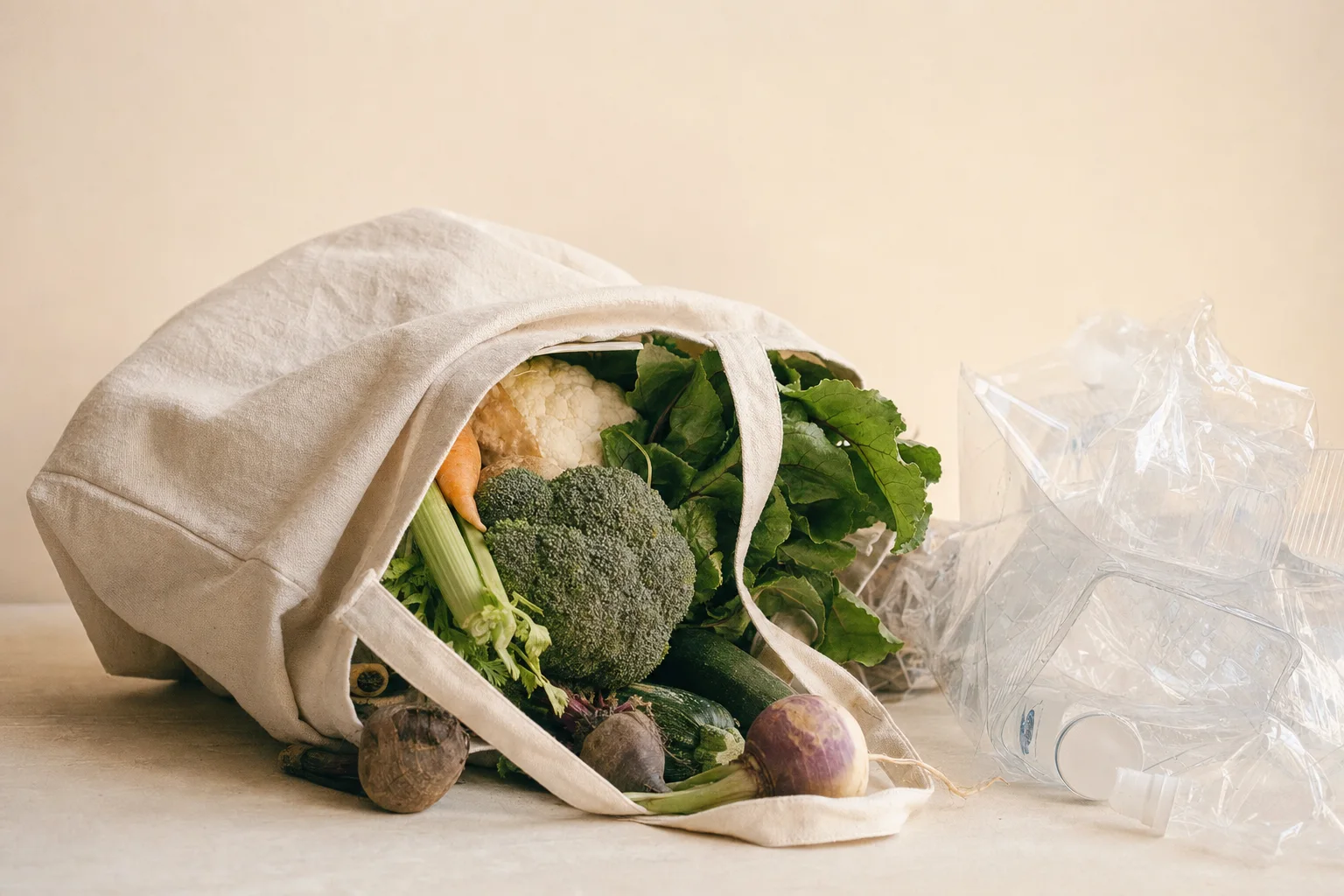
Every item in your shopping cart carries a hidden price tag - one that never appears on the receipt. This invisible cost is paid by the environment: in carbon emissions, polluted waterways, degraded soil, and vanishing wildlife. Understanding this cost is the first step toward making choices that nourish both your family and the planet.
The Carbon Footprint of Food
The global food system is responsible for approximately 26% of all greenhouse gas emissions - more than the entire transport sector. This staggering figure encompasses farming, land use change, supply chain logistics, processing, packaging, retail, and food waste.
Within farming itself, the biggest contributors are:
- Synthetic fertiliser production and use - manufacturing nitrogen fertiliser is extraordinarily energy-intensive, and applying it to fields releases nitrous oxide (N2O), a greenhouse gas 300 times more potent than carbon dioxide
- Livestock methane emissions - ruminant animals produce methane during digestion, and intensive feedlot operations concentrate these emissions
- Land clearing - converting forests and natural habitats to farmland releases stored carbon and eliminates future carbon absorption
- Soil degradation - when soil organic matter is depleted by intensive farming, carbon stored in the soil escapes into the atmosphere
Organic farming addresses several of these drivers directly. By prohibiting synthetic nitrogen fertilisers, organic systems use 45% less energy per unit of land than conventional farming. Organic soils contain on average 26% more organic carbon than conventionally managed soils, acting as carbon sinks rather than carbon sources. And organic livestock standards - requiring pasture access, lower stocking densities, and organic feed - produce lower per-animal emissions than intensive confinement operations.
Water Pollution: The Invisible Crisis
Agriculture is the leading source of water pollution worldwide. The primary culprits are synthetic fertiliser runoff and pesticide contamination, both of which flow from conventional farmland into rivers, lakes, groundwater, and ultimately the ocean.
Nitrate pollution from synthetic fertilisers causes eutrophication - the excessive growth of algae that depletes oxygen in water bodies, creating "dead zones" where aquatic life cannot survive. The Gulf of Mexico dead zone, created largely by agricultural runoff from the American Midwest, covers over 15,000 square kilometres annually.
For an island nation like Mauritius, this issue is acutely relevant. The island's coral reef ecosystem - one of the most biodiverse marine environments in the Indian Ocean - is directly threatened by agricultural runoff flowing from highland farms through rivers and into the lagoon. Synthetic pesticides and fertilisers that enter these waterways damage coral, poison fish, and disrupt the marine food chain.
Organic farming eliminates synthetic fertiliser and pesticide runoff entirely. By using compost, green manures, and biological pest controls, organic farms keep waterways clean and protect the downstream ecosystems that depend on them. In Mauritius, every hectare converted from conventional to organic farming is a direct investment in protecting the island's irreplaceable marine heritage.
Soil Degradation: Eating the Future
Healthy soil is the foundation of all terrestrial life. A single teaspoon of healthy soil contains more microorganisms than there are people on Earth - fungi, bacteria, protozoa, and nematodes that decompose organic matter, cycle nutrients, retain water, and support plant growth.
Conventional intensive farming treats soil as a medium for delivering synthetic nutrients to plant roots, ignoring (and often destroying) the biological systems that make soil fertile in the first place. The consequences are severe:
- The United Nations estimates that one-third of the world's topsoil has already been degraded
- At current rates of soil loss, some scientists estimate we have fewer than 60 harvests remaining in many agricultural regions before the soil is too depleted to support crops
- Degraded soil retains less water, increasing vulnerability to drought and flooding - both of which are intensifying under climate change
Organic farming takes the opposite approach. Through composting, cover cropping, crop rotation, and the prohibition of synthetic chemicals, organic methods build soil health over time rather than depleting it. Organic soils have higher microbial diversity, better water retention, improved structure, and greater resilience to extreme weather events.
For Mauritius, where volcanic soils are naturally fertile but thin and vulnerable to erosion, protecting and building soil health through organic practices is not just good farming - it is essential for long-term food security.
Biodiversity Loss: The Silent Emergency
The global biodiversity crisis is inextricably linked to agriculture. Farming is the primary driver of habitat loss worldwide, and within agricultural landscapes, the intensity of farming practices determines how much wildlife can coexist with food production.
The statistics are sobering:
- Organic farms support 30% more species of plants, insects, and birds than conventional farms
- Organic farms harbour 50% more pollinator species - critical for food production itself, since approximately 75% of global food crops depend on animal pollination
- Neonicotinoid pesticides, widely used in conventional agriculture and linked to the collapse of bee populations worldwide, are banned in organic farming
- Organic farms use hedgerows, wildflower strips, and diverse crop rotations that create habitat for wildlife, whereas conventional monocultures offer biological deserts
In Mauritius, biodiversity has a particular significance. The island is home to endemic species found nowhere else on Earth - the Mauritius kestrel, the echo parakeet, the pink pigeon, and countless endemic plants and insects. Every hectare farmed organically provides a safer, more hospitable environment for these irreplaceable species.
Packaging and Transport: Completing the Picture
The environmental cost of food extends beyond the farm gate. Packaging waste and transport emissions add significantly to the footprint of every product in your shopping cart.
At Naturespan, we address these issues through deliberate choices:
- Packaging reduction - we prioritise recyclable and compostable packaging materials, and offer bulk sections where customers can bring their own containers
- Maritime shipping - for imported organic products, we favour sea freight over air freight, reducing transport emissions by up to 95% per kilogram
- Local sourcing - every locally grown organic product we stock eliminates international transport entirely, supporting Mauritian farmers while reducing food miles
What You Can Do
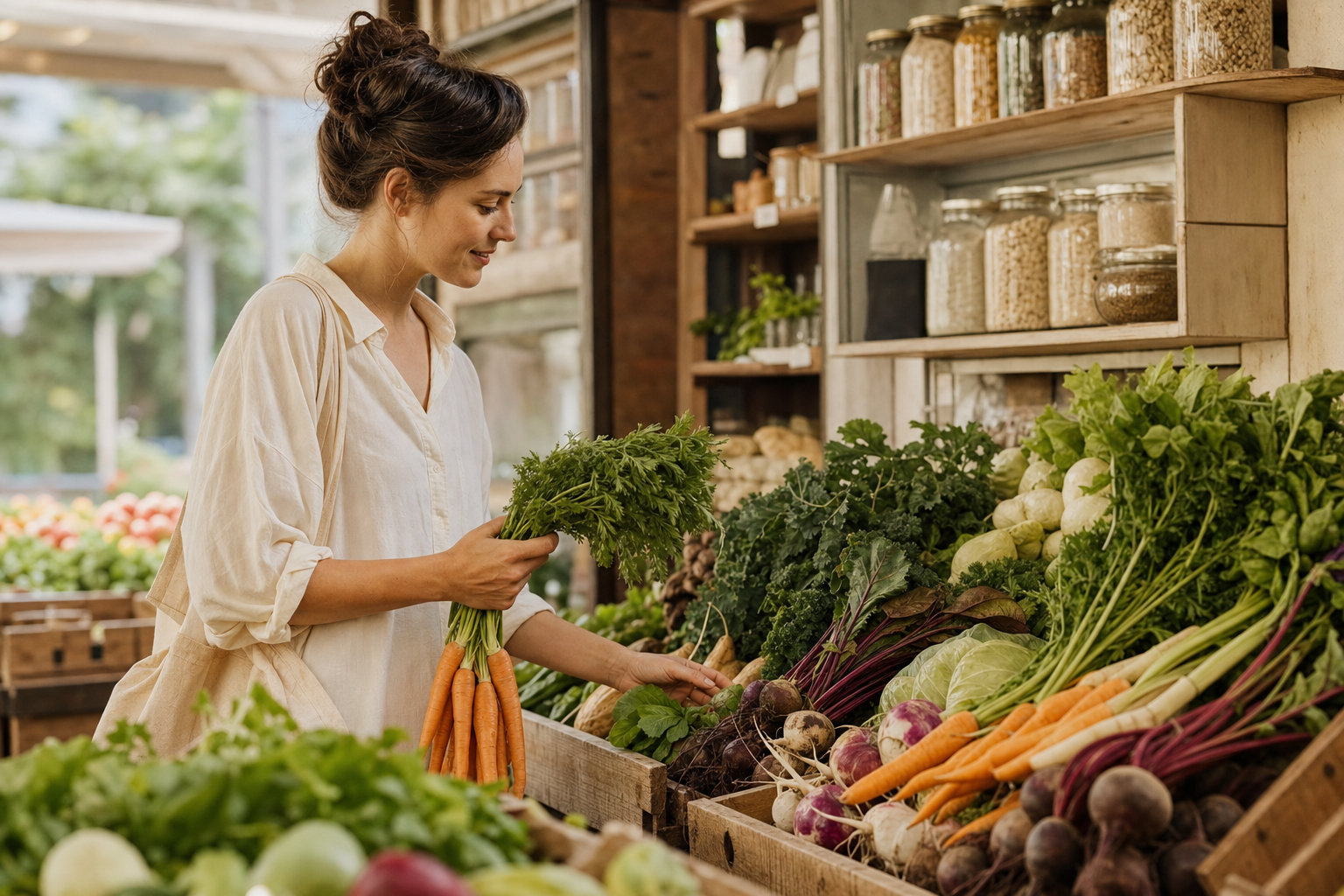
Your shopping cart is a powerful tool for environmental change. Every purchase is a vote for the food system you want to support. Here are practical steps:
- Choose organic - even switching a few key items reduces your contribution to pesticide pollution, soil degradation, and biodiversity loss
- Buy local - locally produced food has a smaller transport footprint and supports your community's economy
- Reduce food waste - plan meals, use leftovers, and compost what you cannot eat. Wasted food means wasted resources
- Bring your own bags and containers - simple actions that reduce packaging waste
- Shop at Naturespan - visit our stores in Grand Baie, Tamarin, or Telfair, or browse at TheShop.mu for organic products delivered to your door
The environmental cost of your shopping cart is real, but it is not fixed. By choosing organic, buying local, and reducing waste, you can transform your weekly shop from a source of environmental harm into a force for ecological restoration. The planet does not need perfect consumers - it needs millions of people making slightly better choices, one shopping trip at a time.
Eating well is one part of a longer, healthier life. Explore the wider Healthspan health ecosystem.