Why Mauritius Is Ready for an Organic Revolution
23 February 2026 · By Naturespan
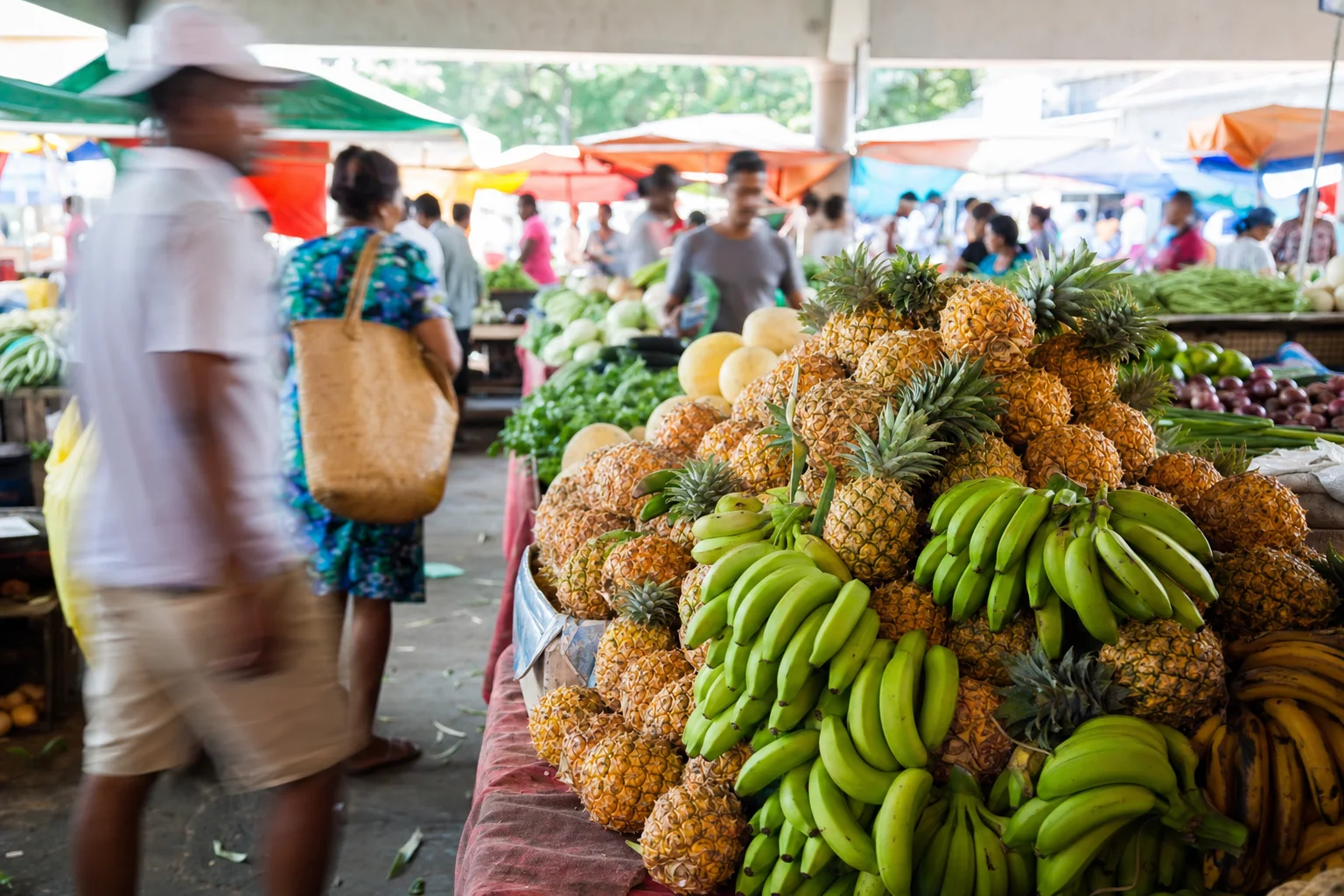
Mauritius is a small island nation with an outsized appetite for quality. Known worldwide for its pristine lagoons, volcanic peaks, and multicultural cuisine, the island has quietly reached a turning point in how it thinks about food. A convergence of health awareness, environmental urgency, and agricultural opportunity is creating the conditions for a genuine organic revolution - and the timing could not be better.
The Import Dependency Problem
Here is a number that should concern every Mauritian household: over 75% of the food consumed on the island is imported. Rice comes from India and Pakistan. Wheat flour arrives from Australia and France. Dairy products, canned goods, frozen meats, and processed snacks travel thousands of kilometres by sea and air before reaching supermarket shelves in Port Louis, Curepipe, or Grand Baie.
This dependency creates three serious vulnerabilities. First, it exposes the island to global supply chain disruptions - a reality made painfully clear during the COVID-19 pandemic, when shipping delays left shelves bare and prices soaring. Second, it means Mauritians are consuming food that was harvested days or weeks before arrival, with preservatives and cold-chain treatments required to survive the journey. Third, it sends billions of rupees offshore every year, draining wealth from the local economy.
The solution is not to eliminate imports - Mauritius cannot grow everything it needs - but to dramatically increase local production of fresh, nutrient-dense food. And organic farming is the smartest way to do it.
A Climate Built for Organic Agriculture
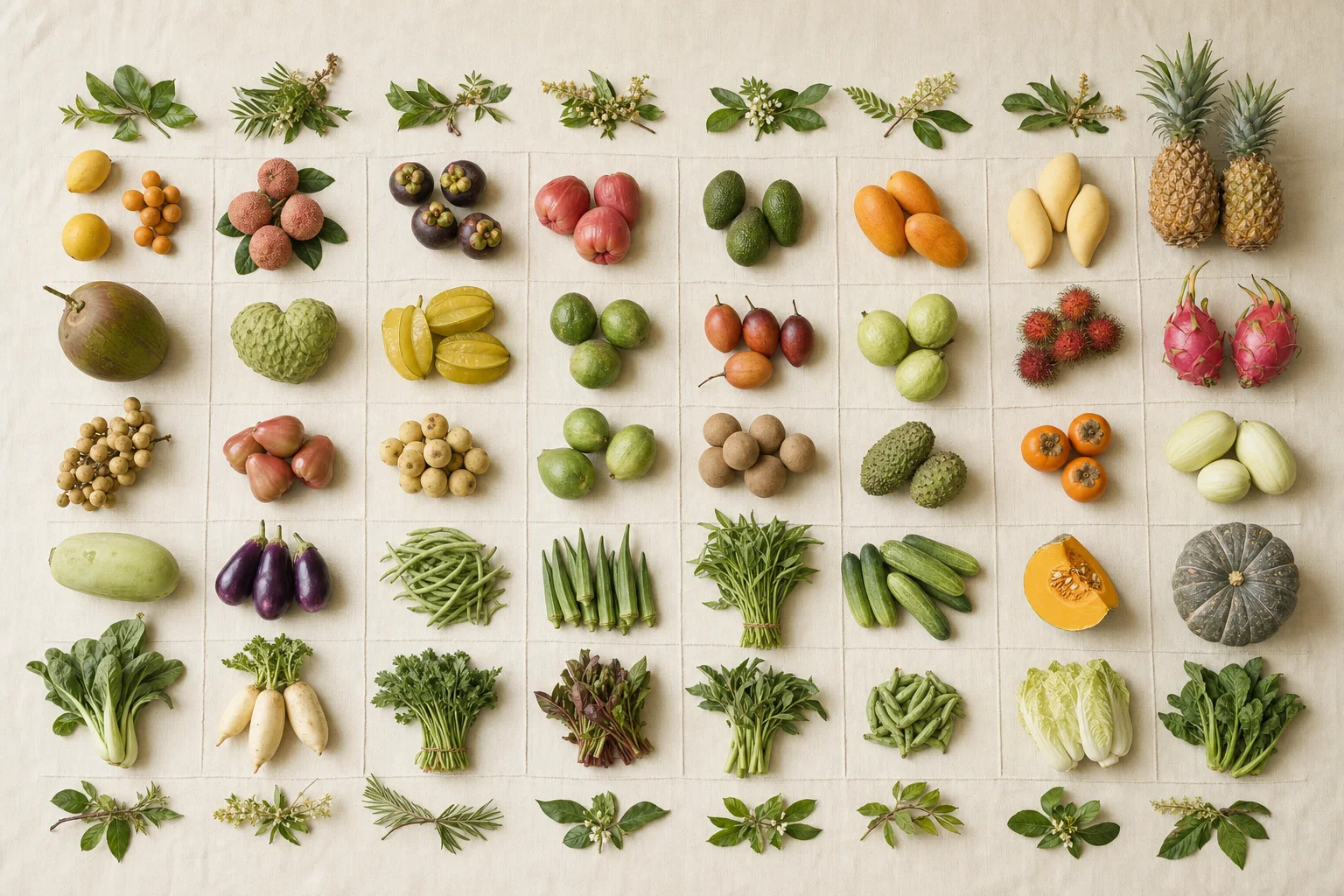
Mauritius sits in the tropics at 20 degrees south latitude, blessed with rich volcanic soil, abundant rainfall, and a year-round growing season. The island's microclimates - from the humid east coast to the drier west, from coastal plains to the elevated Plaines Wilhems - support an extraordinary diversity of crops.
Sugarcane has dominated Mauritian agriculture for over two centuries, but the decline of the sugar industry has freed up thousands of hectares of fertile land. Much of this land has been minimally treated with synthetic chemicals in recent years, making the transition to certified organic production faster and less costly than in heavily industrialised agricultural regions.
The tropical climate also supports natural pest management strategies that are central to organic farming. Companion planting, beneficial insect habitats, and crop rotation work exceptionally well in warm, biodiverse environments. Neem, citronella, and vetiver - all native or well-adapted to Mauritius - serve as natural pest deterrents, reducing the need for any external inputs.
Growing Health Consciousness
Walk into any gym in Quatre Bornes, any yoga studio in Tamarin, or any health-conscious household in Moka, and you will find a growing awareness of what goes into the food we eat. Mauritians are reading labels, asking questions about pesticide residues, and seeking out products free from artificial additives and GMOs.
This shift is driven by sobering health statistics. Mauritius has one of the highest rates of Type 2 diabetes in Africa, with over 20% of adults affected. Cardiovascular disease, obesity, and diet-related cancers are rising. More and more Mauritians are drawing the connection between these health crises and the quality of the food supply - particularly the heavy reliance on processed, imported products laden with refined sugars, hydrogenated fats, and chemical preservatives.
Organic food offers a direct response: produce grown without synthetic pesticides, meat and dairy raised without growth hormones or routine antibiotics, and packaged goods free from the hundreds of artificial additives permitted in conventional food production.
The Opportunity for Local Organic Farmers
For Mauritian farmers, the organic opportunity is both economic and ecological. Organic produce commands premium prices - typically 20-40% above conventional equivalents - because consumers recognise the additional care, labour, and certification costs involved. For smallholder farmers, this premium can transform marginal operations into viable livelihoods.
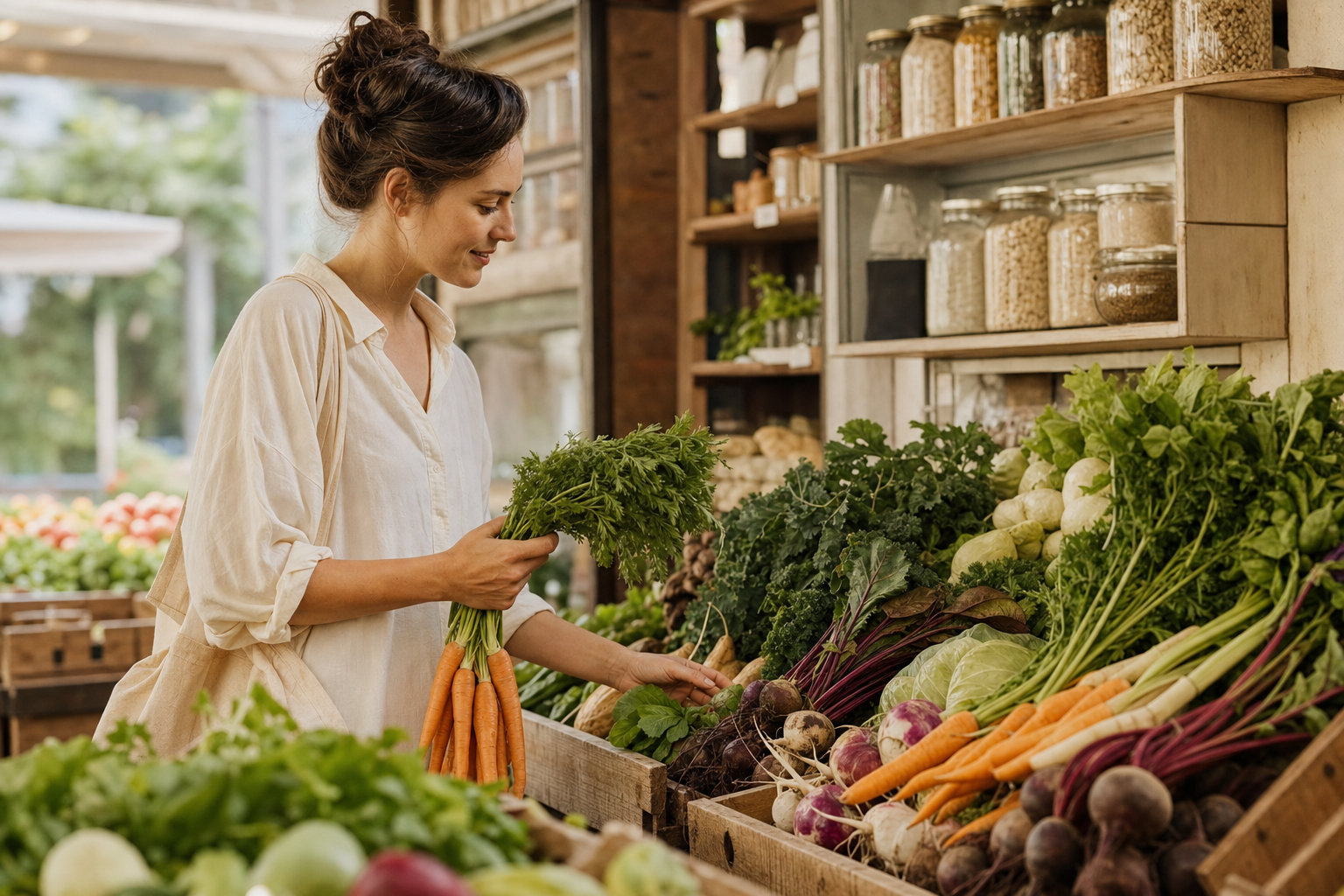
Several pioneering farms are already proving the model. Small-scale organic producers in the south and east of the island are growing lettuce, tomatoes, herbs, tropical fruits, and root vegetables using certified organic methods. Their produce sells out at local markets and through direct delivery services, demonstrating strong and growing demand.
What is missing is infrastructure: reliable distribution networks, cold-chain facilities, organic certification support, and retail partners committed to showcasing local organic products. This is precisely the gap that Naturespan is designed to fill.
What Naturespan Brings to the Table
Naturespan is not just another supermarket. It is a mission-driven organic retail chain built specifically for Mauritius - with stores planned in Grand Baie, Tamarin, and Telfair, a farm-to-table cafe, and a mobile food truck bringing organic food to markets and events island-wide.
Our commitment is threefold: to source locally wherever possible, partnering directly with Mauritian organic farmers and paying fair prices; to educate consumers about the health and environmental benefits of organic food; and to make organic accessible - not a luxury for expatriates and tourists, but a realistic choice for Mauritian families.
For products not yet grown on the island - olive oil, specialty grains, European cheeses, and certified supplements - we work with trusted international organic suppliers and prioritise maritime shipping to reduce our carbon footprint. Every product on our shelves carries a recognised organic certification: AB, EU Bio, USDA Organic, or equivalent.
You can also browse and order our full range online at TheShop.mu, with delivery available across the island.
The Revolution Starts with a Shopping Cart
Every food revolution begins with individual choices. When you choose organic lettuce over conventional, you are telling the market that health matters. When you buy from a local organic farmer, you are investing in Mauritian soil, Mauritian jobs, and Mauritian food security.
Mauritius has the climate, the soil, and the people to build a thriving organic food economy. What it needs now is demand - conscious, consistent, growing demand from consumers who understand that the food they eat shapes the island they live on.
The organic revolution is not coming to Mauritius. It is already here. The question is whether we will embrace it fully - and at Naturespan, we believe the answer is yes.
Eating well is one part of a longer, healthier life. Explore the wider Healthspan health ecosystem.